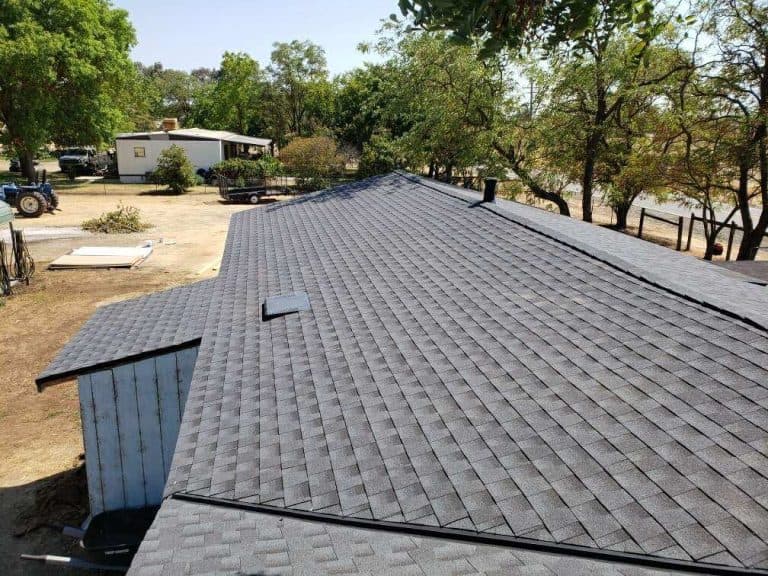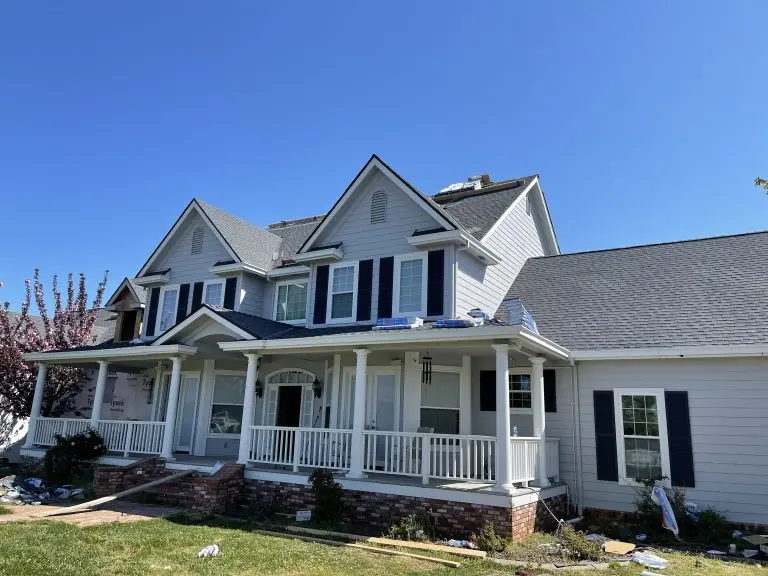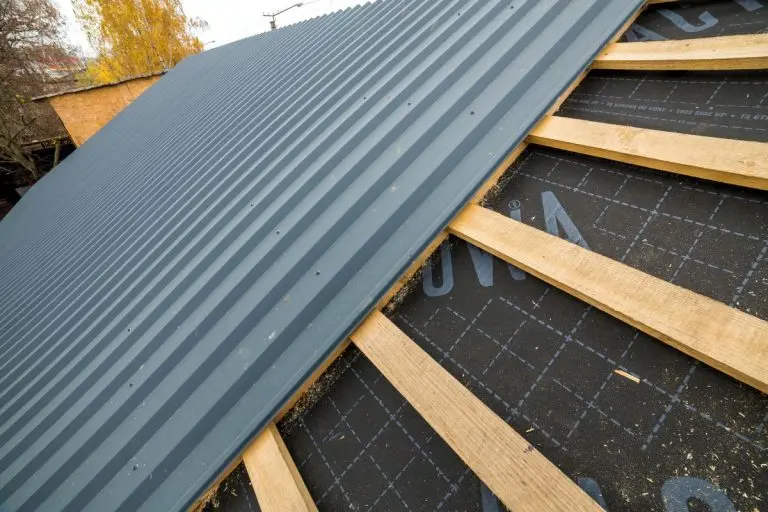


When most homeowners think about upgrading their roof, asphalt shingles are the default starting point. They are widely available, familiar to nearly every contractor, and carry a lower upfront cost than almost any alternative. But metal shingles roof systems have been gaining significant ground, and for good reason. Metal shingles deliver performance advantages over asphalt that compound meaningfully across the life of the installation, and they do it while still looking like a traditional residential roof rather than an industrial structure. If you want to understand what separates a quality roofing installation from a shortcut before evaluating materials, that is worth reading first.
This blog covers:
- What metal shingles are and how they differ from standing seam metal
- The four performance categories where metal shingles outperform asphalt
- How the cost comparison actually works over the life of each system
- What Northern California homeowners specifically should know about metal shingles
- When asphalt still makes more sense than metal
We’re proud to serve homeowners in Citrus Heights, CA, and nearby communities with residential roofing services and more.
What Metal Shingles Are and Why They Are Growing
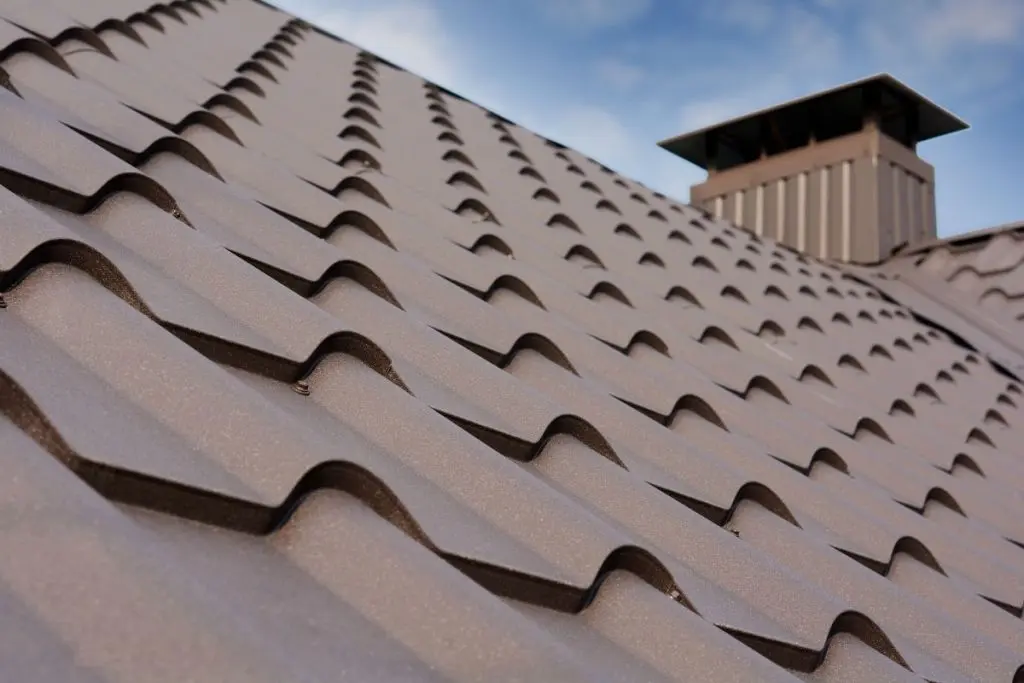
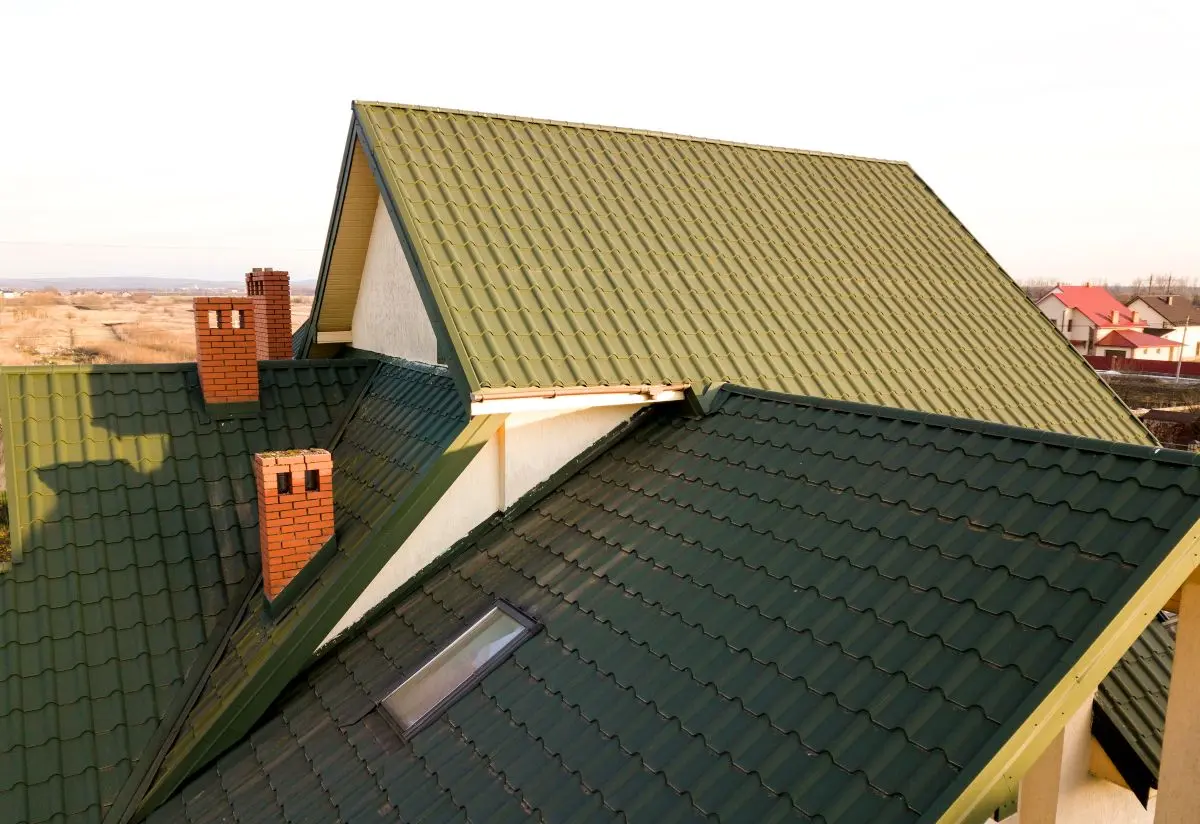
Metal shingles are stamped or formed metal panels designed to mimic the look of traditional roofing materials including traditional asphalt shingles, cedar shakes, and clay tile. They come in several forms including steel shingles, stone coated steel shingles, and aluminum panels, all coated with premium coatings and installed in overlapping courses the same way conventional shingles are. Stone coated steel shingles in particular combine the timeless beauty of traditional asphalt with the durability of a metal roofing system, making them one of the most popular options for homeowners who want both performance and curb appeal. Unlike standing seam metal roofing, which produces a distinctly industrial profile, metal shingles are designed to read as a premium version of a traditional residential roof from the street.
According to the Metal Roofing Alliance, metal options now account for roughly 15% of the residential roofing market, up from less than 3% about two decades ago. That growth reflects homeowners who have run the long-term cost math and found that the upfront premium over asphalt narrows significantly when the full service life is factored in. Understanding the specific performance categories where metal shingles pull ahead of asphalt makes that math easier to follow.
4 Ways Metal Shingles Outperform Asphalt
The advantages below are not theoretical. They are documented performance differences that show up in real-world conditions, including the heat, UV exposure, wind events, and rainy season that Northern California homeowners deal with across the Sacramento Valley and Fairfield area.
1. Lifespan and Long-Term Cost
This is the most significant performance gap between the two systems, and the one that most fundamentally changes the total cost calculation. A quality architectural asphalt shingle roof lasts 25 to 30 years under normal conditions. A metal shingles roof installed correctly lasts 40 to 70 years depending on the metal type, finish quality, and maintenance. In practical terms, a homeowner who installs asphalt shingles today will likely replace their roof once or twice more before a homeowner who chose metal shingles at the same time replaces theirs.
Metal roofing costs two to three times more upfront than asphalt shingles. Over the full lifespan, however, the cost-per-year of service is comparable and in many scenarios metal wins. Industry data consistently puts installed architectural shingles at $4.50 to $8.50 per square foot and standing seam or metal shingles at $8.50 to $16 per square foot, but that comparison captures one cycle of each. When the asphalt cycle repeats two to three times over the metal roof’s life, the cumulative cost picture shifts materially.
- Metal shingle lifespan: 40 to 70 years depending on metal type, finish, and installation quality.
- Asphalt lifespan: 25 to 30 years for architectural shingles under normal conditions, less in high-UV environments.
- Cost-per-year comparison: When asphalt replacement cycles are factored in, metal frequently produces lower total cost over a 50-year ownership period.
2. Weather Resistance and Durability
Metal shingles outperform asphalt across every weather resistance category that matters in Northern California. Wind resistance is the most dramatic gap: quality metal shingle systems are rated for winds exceeding 120 mph, while standard architectural asphalt shingles carry ratings of 110 to 130 mph depending on installation method. In practice, metal shingles are less vulnerable to edge lifting and blow-off because they interlock rather than relying on adhesive strips.
Impact resistance is the other major category. Many metal shingle products carry a Class 4 UL 2218 impact rating, the highest available for residential roofing, protecting against falling debris, hail, and storm damage that traditional asphalt shingles handle far less effectively. Consumer Reports tested multiple metal shingle products in both steel and aluminum, finding that even the aluminum models outperformed high-quality asphalt shingles on impact. Class 4 rated products can also qualify homeowners for insurance premium discounts, which partially offset the upfront cost premium over time.
- Wind resistance: Metal shingle systems interlock mechanically, providing structural resistance to wind uplift that adhesive-dependent asphalt installations cannot match.
- Impact resistance: Class 4 rated metal shingles represent the highest impact rating available and outperform standard asphalt in Consumer Reports testing.
- UV degradation: Metal shingles do not lose granules, do not oxidize from UV the same way asphalt binders do, and maintain weather resistance without the same deterioration pattern asphalt shows over time.
3. Energy Efficiency
Metal shingles reflect significantly more solar radiation than asphalt shingles. Standard asphalt shingles absorb solar heat, which transfers into the attic and forces the HVAC system to compensate. Metal shingles with premium coatings and reflective finishes redirect that energy rather than absorbing it. Metal roofs can reduce cooling loads by up to 25 to 40% in high-UV climates according to data from the Department of Energy, making them a particularly relevant upgrade for Sacramento Valley homeowners where summer temperatures regularly exceed 100 degrees.
The energy efficiency advantage also compounds with proper ventilation. Metal shingle systems are compatible with the same ridge and soffit ventilation approach used with asphalt, and the reflective surface amplifies the cooling benefit of good attic airflow during the hottest months.
- Solar reflectance: Metal shingles with reflective finishes redirect significantly more solar radiation than standard or aging asphalt products.
- Cooling cost reduction: Energy efficiency research consistently shows 25 to 40% cooling cost reduction potential for reflective metal roofing in hot climates.
- ENERGY STAR compatibility: Many metal shingle products qualify for ENERGY STAR certification and utility rebate programs that offset installation cost.
4. Low Maintenance and Long-Term Performance Consistency
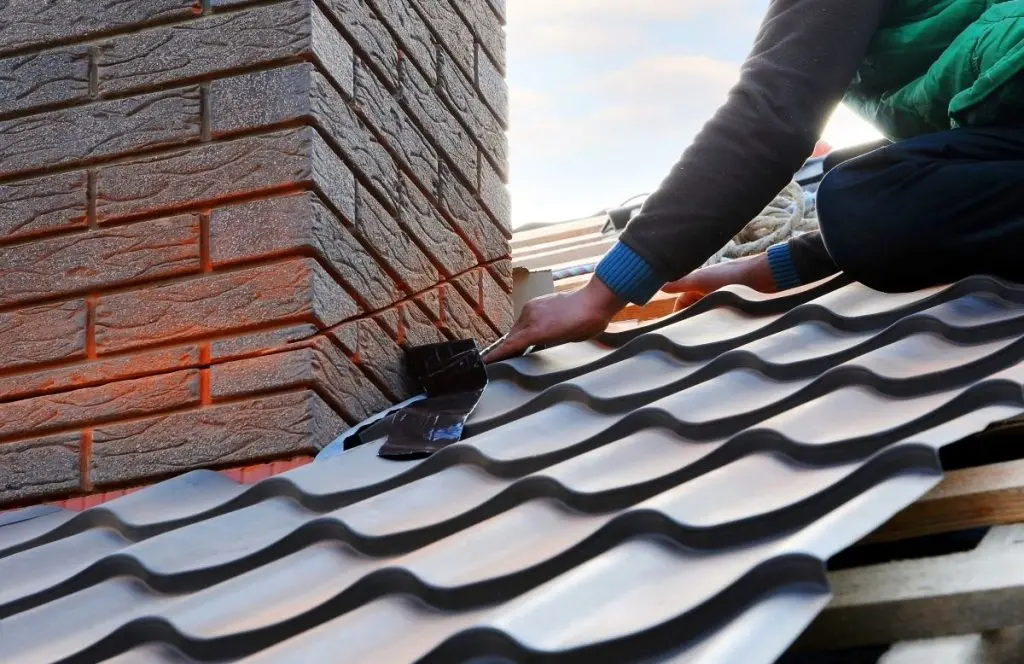
Asphalt roofs require more hands-on maintenance than metal to reach their rated service life. Stone granules on traditional asphalt shingles erode from UV exposure and impact, cracked sealant at penetrations deteriorates, and edge curl develops over time. All of these conditions require periodic inspection and repair. A metal shingles roof in good condition requires little more than annual inspection and gutter clearing. There are no stone granules to lose, no traditional asphalt binder to oxidize, and no adhesive strips to fail.
This maintenance advantage is not trivial in real-world financial terms. The inspection and repair costs that accumulate on an aging asphalt roof over 25 to 30 years represent a meaningful additional expense beyond the original installation cost. Metal shingles eliminate most of that expense, which further narrows the total cost gap between the two systems.
- Granule loss eliminated: Metal shingles have no granule layer to lose, removing one of the primary aging mechanisms in asphalt systems.
- Sealant requirements: Metal shingle systems require less frequent sealant maintenance than asphalt at penetrations, though exposed fastener systems do require periodic fastener inspection.
- Long-term consistency: Metal shingle performance remains consistent through most of the product’s rated lifespan rather than degrading progressively the way asphalt does.
Metal Shingles vs. Asphalt: Side-by-Side Comparison
| Category | Metal Shingles | Architectural Asphalt |
| Lifespan | 40 to 70 years | 25 to 30 years |
| Installed cost | $8.50 to $16 per sq ft | $4.50 to $8.50 per sq ft |
| Wind resistance | 120+ mph | 110 to 130 mph |
| Impact resistance | Class 4 available | Class 3 to 4 available |
| Solar reflectance | High (with reflective finish) | Low to moderate |
| Maintenance frequency | Low | Moderate to high |
| Fire resistance | Class A inherent | Class A (treated) |
| Recyclability | 100% recyclable | Petroleum-based, landfill |
When Asphalt Still Makes More Sense
Metal shingles outperform asphalt on every long-term metric, but the higher upfront cost compared to traditional asphalt shingles is real, and for some homeowners asphalt remains the more practical choice. If the homeowner plans to sell within five to seven years, the ROI on the metal premium is difficult to capture through resale alone. Choosing the right roofing material depends on timeline, budget, and performance priorities. Quality traditional asphalt shingles installed correctly by a certified contractor still represent a solid investment with strong warranty coverage through programs like the GAF Golden Pledge.
Spartan Home Services installs both metal and asphalt roofing systems and will tell you honestly which makes more financial and practical sense for your specific home and situation before you commit to anything.
Frequently Asked Questions About Metal Shingles
These questions reflect what homeowners most often ask when comparing metal shingles to asphalt for the first time.
Do metal shingles look like regular roofing?
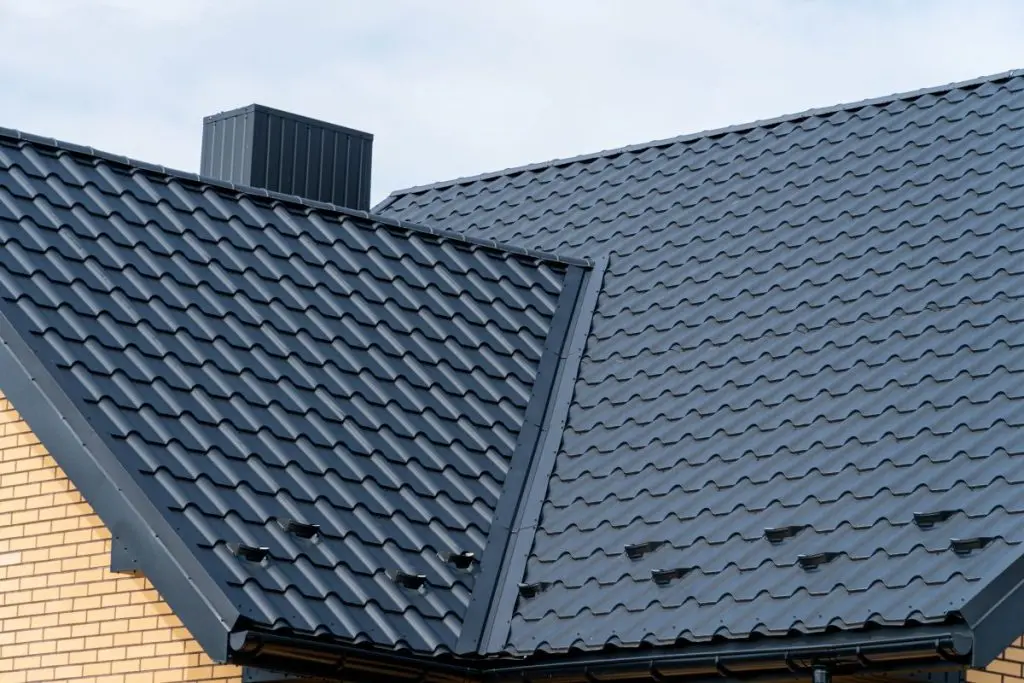
Yes. Metal shingles are specifically designed to replicate the profile of traditional roofing materials including asphalt shingles, cedar shakes, and slate. From the street, a metal shingle roof is typically indistinguishable from a premium conventional roof. Standing seam metal, by contrast, has a distinctly industrial profile that suits commercial and contemporary residential applications but reads differently than a traditional neighborhood roof.
Are metal shingles loud in the rain?
This is one of the most common concerns and one of the most overstated. Metal shingles installed over a solid roof deck with underlayment are no louder during rain than asphalt. The noise concern is more relevant to thin metal panels installed over open framing, which is an uncommon residential configuration. On a properly constructed residential roof deck, the sound difference between metal and asphalt is minimal.
How much more do metal shingles cost than asphalt?
Metal shingles typically cost two to three times more than architectural asphalt shingles at installation. For a standard Northern California residential roof, that difference can range from $10,000 to $20,000 depending on roof size, complexity, and specific product selection. The per-year cost difference narrows significantly when the metal system’s 40 to 70 year lifespan is compared against two to three asphalt replacement cycles covering the same period.
Can metal shingles be installed over existing asphalt?
In some cases, yes. Metal shingles are lighter than asphalt and can sometimes be installed over an existing layer without structural concerns. However, this approach is not always appropriate and depends on the condition of the existing deck, local permit requirements, and whether the manufacturer’s installation specifications allow overlay. A thorough inspection before installation is the only way to confirm whether overlay is viable for a specific home.
Talk to Spartan About Metal Shingles for Your Home
Metal shingles are a long-term investment that makes more sense the longer you plan to stay in your home. Spartan Home Services installs both metal and asphalt roofing systems across the Sacramento and Fairfield service areas and will give you an honest side-by-side assessment before you decide. Get your estimate started and we will walk you through both options before you commit to anything.