


A roof leak is one of those home problems that gets more expensive the longer it sits. What starts as a water stain on the ceiling can become a decking rot issue, a mold problem, or a structural repair that costs several times what the original fix would have. Understanding roof leak repair cost before you call a contractor puts you in a better position to evaluate quotes, catch anything suspicious in an estimate, and make a faster decision before the next rainy season arrives. If you want to understand the full scope of what goes into a residential roof repair before getting into cost specifics, that context is useful to have first.
This blog covers:
- What the typical cost range for roof leak repair looks like in 2026
- The seven factors that push that number up or down on any given project
- A breakdown of common leak sources and what each one typically costs to fix
- What to look for in an estimate before you accept it
- When repair stops making sense and replacement is the smarter call
We’re proud to serve homeowners in Lincoln, CA, and nearby communities with residential roofing and repair services and more.
What Roof Leak Repairs Actually Cost in 2026
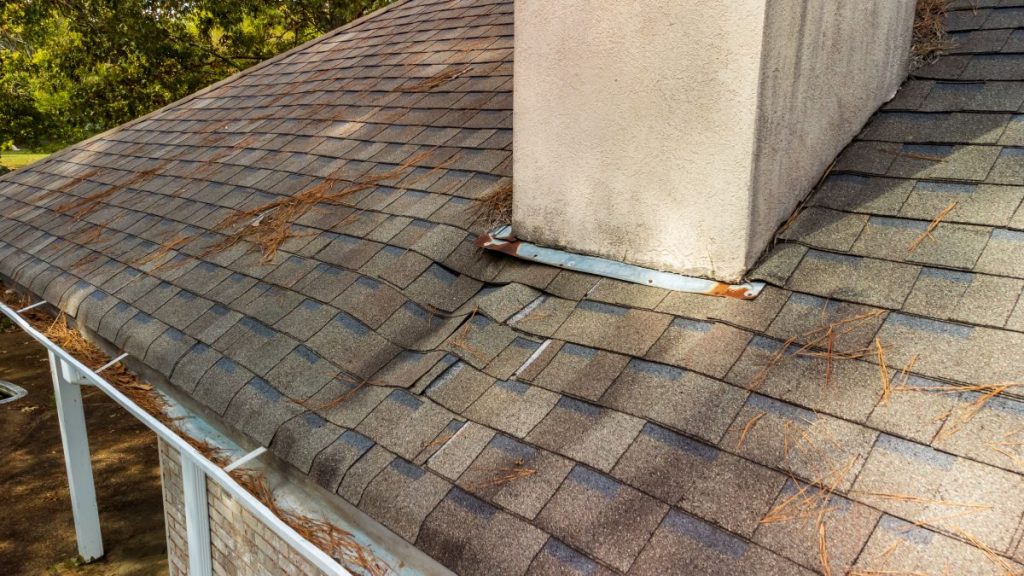
Most roof leak repairs in 2026 fall between $350 and $1,500, with the national average landing around $1,150 for a typical residential repair. Minor repairs like a pipe boot replacement or fixing missing shingles can come in under $400. More involved repairs covering damaged flashing, valley work, or localized decking replacement push the leak repair cost into the $1,000 to $3,000 range. A leaky roof left unaddressed long enough to allow structural damage or mold growth can exceed $5,000 before the full repair cost is settled.
The range is wide because repair cost is determined almost entirely by factors specific to your project. Two homes on the same street with the same roof material can produce very different quotes if the damage sources, roof geometry, and extent of secondary damage differ.
| Repair Type | Typical Cost Range |
| Pipe boot replacement | $150 to $400 |
| Flashing repair or reseal | $200 to $900 |
| Shingle replacement (minor) | $250 to $700 |
| Valley repair | $300 to $1,500 |
| Skylight flashing | $225 to $800 |
| Decking replacement (partial) | $500 to $2,500 |
| Chimney flashing repair | $350 to $1,200 |
7 Factors That Affect Roof Leak Repair Cost
No two roof leaks are the same, and the estimate you receive from a qualified contractor reflects a combination of variables that interact with each other. Understanding each factor individually makes it easier to follow the logic of a quote and ask the right questions if something looks off.
1. The Source and Type of Leak
The underlying cause of a leak determines more about cost than any other single variable. A small roof leak from a failed pipe boot is one of the most common sources and one of the most affordable to fix. A chimney flashing failure that has allowed water infiltration for multiple seasons involves flashing replacement, removal and reinstallation of surrounding shingles, and treatment of the decking beneath. Roofing cement is sometimes used to cover leaks caused by minor cracking or gaps, but it is a temporary measure rather than a permanent solution.
Identifying the actual source rather than the visible symptom is where qualified roofing contractors earn their value. A leak appearing as ceiling staining in one part of the house often originates several feet away on the roof, and diagnosing it correctly prevents the cost of repeat visits.
- Pipe boot failure: Most common leak source, lowest cost to repair, typically $150 to $400 with no secondary damage.
- Flashing failure: More labor-intensive, often requires shingle removal and reinstallation around the affected area.
- Valley leaks: Require careful material matching and full valley treatment, pushing costs higher than single-point repairs.
- Decking damage: When water infiltration has reached the decking, structural material replacement adds significant cost beyond surface repairs.
2. Extent of Damage and Secondary Issues
A leak addressed in its first season costs a fraction of what the same leak costs after two or three rainy seasons of compounding damage. Water that reaches the decking accelerates rot. Rot that reaches the rafters becomes a structural repair. Damp insulation loses its thermal value and can promote mold conditions that require remediation beyond roofing work. Each delayed season adds a layer of cost to what could have been a straightforward fix.
Annual inspections catch failing pipe boots and cracked sealant before they become active leaks. An inspection that costs a few hundred dollars annually is the most cost-effective roof maintenance a homeowner can do.
- Early-stage leaks: Surface-level damage with no secondary impact on decking or structure keeps repair costs in the lower range.
- Intermediate damage: Decking exposure and minor rot require material replacement beyond shingles and flashing, adding $500 to $1,500 to the base repair cost.
- Advanced damage: Structural involvement, mold, or insulation damage require trades beyond roofing and can push total remediation costs well above the roofing repair itself.
3. Roofing Material
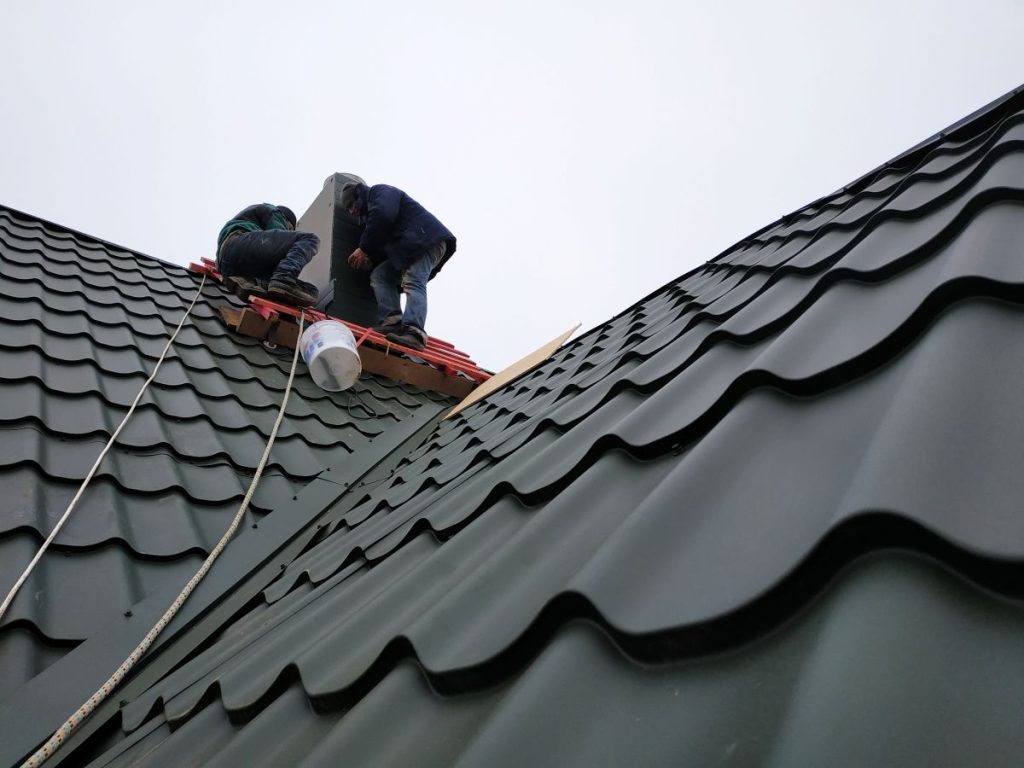
The roof material determines what replacement components cost, what skill level the repair requires, and how long the job takes. An asphalt shingle roof is the most affordable to repair across all three categories. Concrete and clay tile repairs require careful handling, specialty tile sourcing, and experienced installers. A metal roof carries the highest per-hour labor cost alongside slate for any standard residential repair.
Material also affects matching difficulty. An asphalt shingle roof where the original product has been discontinued may require a close-match replacement that is visible from the ground. When an entire roof replacement is ultimately needed due to widespread material failure, those matching concerns become irrelevant, but for targeted repairs they add cost and complexity.
- Asphalt shingles: Lowest repair cost, most available contractor pool, easiest roof material to source.
- Concrete and clay tile: 30 to 50% higher labor cost than asphalt, specialty sourcing required for accurate color and profile match.
- Metal roof: Panel repairs require experienced contractors and seam welding in some cases.
- Slate: Highest repair cost, very limited contractor pool, material sourcing from specialty suppliers required.
4. Labor Rates and Contractor Certification
According to verified repair cost data from Fixr, labor accounts for approximately 60% of the total cost of most roof leak repairs, with roofing crews typically charging $45 to $75 per hour in standard markets. In Northern California, those rates run higher due to the state’s elevated cost of living and C-39 licensing requirements. A professional repair completed by a certified roofing contractor also matters when the leak repair involves a GAF system under warranty — work completed by an uncertified contractor may void the workmanship portion of Golden Pledge or Silver Pledge coverage.
- Standard labor rates: $45 to $75 per hour in most markets, higher in Sacramento Valley and Bay Area-adjacent communities.
- Minimum visit charge: Most licensed contractors charge $150 to $300 as a baseline even for small repairs.
- Certification compatibility: Verify contractor certification level against existing manufacturer warranties before authorizing repair work.
5. Roof Pitch and Accessibility
Steep roofs require additional safety rigging, slower crew movement, and more setup time than standard-pitch applications. Most roofing contractors add 15 to 30% to their labor estimate for roofs above a 6:12 pitch. Multi-story homes add similar premiums. Homes with complex multi-plane rooflines have more valley and hip intersections, which are statistically the most common failure points and the most labor-intensive to repair correctly.
- Standard pitch: 4:12 to 6:12 pitch carries no additional labor premium in most estimates.
- Steep pitch: Above 6:12 typically adds 15 to 30% to labor costs due to safety and equipment requirements.
- Multi-story premium: Additional height adds equipment and safety costs that show up in labor estimates.
6. Emergency and Timing Premiums
A repair call during a rain event or immediately following a storm carries a different cost structure than a scheduled repair during dry weather. Emergency mobilization fees of 25 to 50% above standard rates are common, and following major weather events in Northern California, both labor availability and material costs shift. Scheduling repairs during late summer and early fall before the rainy season typically produces more competitive quotes and better scheduling flexibility.
- Emergency premium: 25 to 50% above standard labor rates for active leak response or after-hours mobilization.
- Post-storm demand: Contractor availability tightens significantly after weather events, pushing both response times and pricing upward.
- Off-season scheduling: Late summer and early fall scheduling typically produces the most competitive quotes for Northern California homeowners.
7. Permit Requirements and Secondary Inspections
Minor repairs typically do not require permits in most California jurisdictions. More substantial repairs involving decking replacement or structural elements may trigger permit requirements and associated fees. A licensed contractor identifies permit requirements during the estimate process and includes those costs in the written quote. Any contractor who suggests skipping permits is creating liability exposure for the homeowner and may void manufacturer warranty coverage on the affected area.
- Minor repair permits: Typically not required for targeted repairs below certain scope thresholds in most Northern California jurisdictions.
- Substantial repairs: Decking replacement and structural work may trigger permit requirements depending on scope and jurisdiction.
- Permit fees: Range from $75 to $250 in most Sacramento Valley and Fairfield area jurisdictions for qualifying repair work.
When Repair No Longer Makes Sense
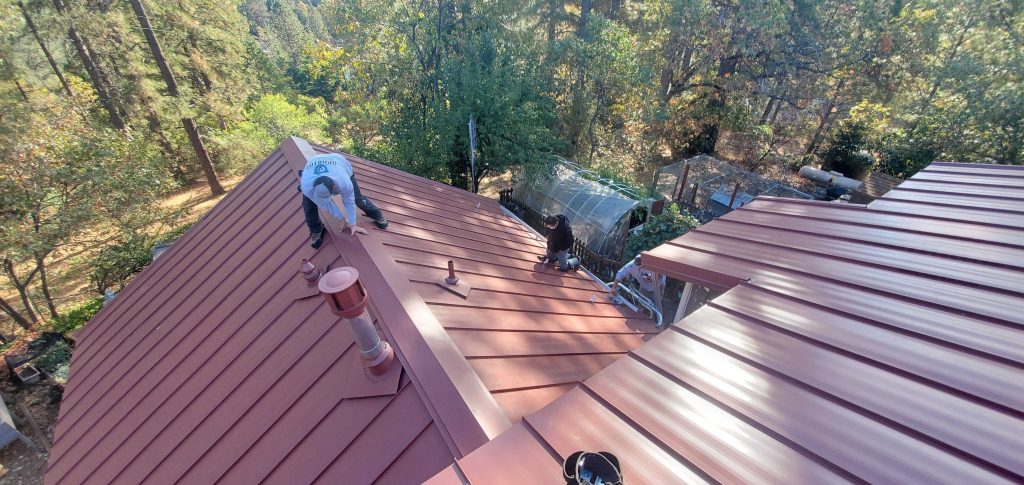
A repair makes economic sense when the damage is localized, the surrounding roof system has meaningful useful life remaining, and the underlying cause can be fully addressed. It stops making sense when the roof is approaching or past its material’s rated lifespan, when multiple leak points have appeared in close succession, or when the estimated repair cost exceeds 25 to 30% of the cost of a full replacement. Spartan Home Services assesses every repair situation honestly before recommending a direction. If a repair extends the roof’s useful life meaningfully, we say so. If the math favors replacement, we say that too.
Frequently Asked Questions About Roof Leak Repair Cost
These are the questions Northern California homeowners most consistently ask when facing a roof leak and trying to understand what the project will cost before anyone gets on the roof.
How do I find the source of a roof leak?
The visible damage inside the home rarely points directly to the leak source. Water travels along rafters and decking before dropping, meaning a ceiling stain may trace back to a failure point several feet away on the roof. A qualified inspector evaluates the attic from below and the roof surface from above, cross-referencing both to identify the actual entry point rather than just the symptom.
Can I patch a roof leak myself?
Minor temporary patches using roofing caulk can slow water intrusion during a storm, but DIY repairs carry significant risks in California. Incorrect nailing, improper flashing installation, and missed secondary damage are the most common failure points, and they can void manufacturer warranties on surrounding components. A licensed contractor who addresses the actual cause produces a repair that holds.
How long does a roof leak repair take?
Most targeted residential repairs are completed in a single day. The exception is when secondary damage to decking or structural elements is identified during the repair, which extends both scope and timeline. Material sourcing for tile and slate roofs can also add lead time if specialty components are required.
Does homeowner’s insurance cover roof leak repairs?
In California, homeowner’s insurance typically covers sudden and accidental damage from weather events but does not cover damage from deferred maintenance or gradual deterioration. A roof damaged by a fallen tree branch is likely covered. A roof that leaked because aging shingles were never replaced typically is not. Documenting the damage with photos before and during repair is the most important step if you plan to file a claim.
Spartan Home Services Finds the Leak and Fixes It Right
A roof leak does not get cheaper with time, and a repair that addresses the symptom rather than the source does not get cheaper either. Spartan Home Services handles roof leak diagnosis and repair across the Sacramento and Fairfield service areas with the same GAF Master Elite certified standard we bring to every project. Start with a free estimate and we will tell you exactly what we find before we tell you what it costs.
Recent Articles Posts
6 Most Trusted Roofing Companies in Rocklin CA
When it comes to roofing companies in Rocklin CA, Rocklin's specific housing conditions make contractor selection more consequential than homeowners in milder markets often…
7 Top Roofing Companies in Citrus Heights CA Ranked
Finding reliable roofing companies in Citrus Heights CA matters more than most homeowners expect before their first estimate call. Citrus Heights sits in Sacramento…
Peel and Stick Roofing Underlayment vs Felt: 7 Differences
The underlayment is the layer most homeowners never see and rarely think about, until a roof fails and the investigation traces back to moisture…

Make Your Home Exterior Spartan Strong!
Strong homes start with a team that does the job right.