


For California homeowners considering a tile roof, clay tile roof cost is the first number everyone asks about and the one that varies the most. Clay tile installation involves more variables than almost any other residential roofing project, and each one compounds the others. Understanding what drives the final number helps homeowners evaluate quotes accurately and avoid paying for things they don’t need or missing costs they didn’t anticipate. If you want to understand what a properly scoped tile roofing project looks like before collecting bids, that’s the right starting point.
This blog covers:
- What clay tile roofs cost on average in California in 2026
- The seven factors that most affect the final price
- How clay tile compares to concrete tile and asphalt shingles
- What California-specific factors homeowners should account for
- How to evaluate competing quotes and avoid pricing traps
We’re proud to serve homeowners in Citrus Heights, CA, and nearby communities with tile roofing and residential roofing services and more.
What Clay Tile Roofs Actually Cost in California
According to roofing cost research compiled by a 20-year principal roof consultant, the average cost of a clay tile roof replacement in 2026 ranges from $11.20 per square foot for basic concrete tiles to $18.50 per square foot for premium clay tiles, with most California homeowners paying between $15 and $35 per square foot installed depending on tile profile, roof structure, and regional labor rates. Clay roofing tiles span a wide range of styles and price points, from standard interlocking clay tiles and terracotta tiles to hand-molded Spanish and Mission profiles.
| Tile Type | Installed Cost Per Square Foot | Lifespan |
| Flat/interlocking clay | $11 to $15 | 50 to 75 years |
| Spanish clay tile | $12 to $18 | 50 to 100 years |
| Mission/barrel clay tile | $16 to $35 | 75 to 100+ years |
| Concrete tile (comparison) | $9 to $18 | 40 to 50 years |
| Asphalt shingles (comparison) | $5 to $12 | 25 to 30 years |
7 Factors That Drive Clay Tile Roof Cost in California

Every line item in a contractor’s quote reflects a real cost driver. Understanding the seven factors below helps homeowners identify where their project falls in the range and what’s genuinely justified versus what might be padded.
1. Tile Profile and Style
The tile shape chosen is one of the primary cost variables with the widest spread. Flat or interlocking clay tiles are the most affordable to purchase and install. Spanish tiles sit in the mid-range and are the most common clay roofing tiles installed across Northern California. Mission tiles, also called double roman tiles, and French tiles are the most expensive due to material cost, weight, and the precision required when installing clay tiles correctly. The tile shape also affects accessory requirements: barrel and spanish tiles require specific eave closures, bird stops, and ridge caps that add material cost not always visible in the per-square-foot tile price.
- Flat tile: Least expensive to purchase and install, appropriate for lower-slope applications and clean modern aesthetics.
- Spanish tiles: The most common profile in the Sacramento Valley, with moderate cost and wide regional availability.
- Double roman and French tiles: Premium cost tier requiring precise installation and additional accessories, most appropriate for traditional Mediterranean and Mission-style architecture.
2. Roof Size and Complexity
Roof size drives material volume directly, but complexity drives labor cost disproportionately. A simple gable roof with two planes is the most efficient tile installation a crew can complete. A complex hipped roof with multiple valleys, dormers, skylights, and intersecting planes requires significantly more cutting, fitting, and detailing work that adds labor hours per square.
- Simple roofs: Two-plane gable configurations cost the least per square to install because waste is low and crew efficiency is high.
- Complex roofs: Each valley, hip, dormer, and penetration adds cutting time, waste, and specialized flashing work that increases cost per square.
- Steep pitch premium: Roofs above a 6:12 pitch typically add $1 to $3 per square foot to labor due to safety requirements and more demanding material handling.
3. Structural Reinforcement Requirements

Clay tile is significantly heavier than asphalt shingles or a concrete tile roof, weighing 600 to 1,000 pounds per roofing square compared to 200 to 350 pounds for asphalt. Homes that have never had a tile roof may require reinforcement of the roof structure before installation can proceed — typically sistering existing rafters, upgrading the roof deck, or engaging a structural engineer. This is one of the most variable cost items in any new tile roof project and cannot be accurately estimated without a site visit.
- Existing tile roofs: Homes replacing one clay system with another typically don’t need structural work since the structure was already designed for the load.
- Asphalt conversions: Homes switching from asphalt shingles to clay tile are most likely to require structural evaluation and potential reinforcement.
- Engineering fees: A structural assessment costs $300 to $700 in most California markets and is worth it before committing to a clay tile project on an unconverted structure.
4. Underlayment Specification
The underlayment beneath a clay tile roof is where most water management work happens and the component that determines when the tile roof next needs service even when tiles remain intact. California’s building code requires specific underlayment assemblies under clay roofing tiles, and higher-quality products command meaningful premiums. A premium two-layer modified bitumen system over the roof deck provides significantly better performance than a single-layer synthetic, but adds cost that often surprises homeowners.
- Code minimum: A single layer of approved underlayment meets minimum requirements but typically carries a 20 to 25 year service life.
- Premium assembly: A two-layer modified bitumen system extends service intervals to 30 to 40 years and reduces leak risk throughout the tile system’s lifespan.
- Re-lay vs. replacement: When underlayment fails before tiles do, a re-lay is significantly less expensive than full replacement if tiles are handled carefully.
5. Tear-Off and Disposal
Removing an existing roof adds cost that is sometimes underrepresented in initial quotes. Tearing off a concrete tile roof or clay system is significantly more labor-intensive than removing asphalt shingles because tile must be handled carefully to avoid breakage and disposal fees are higher. Removing and disposing of an old tile system typically adds $2 to $5 per square foot to the total cost of a new roof, with roof deck repairs discovered after tear-off adding further.
- Tile vs. shingle tear-off: Tile removal takes longer and costs more per square due to weight, fragility, and disposal requirements.
- Deck condition: Water damage beneath old tile may require sheathing replacement at $3 to $5 per square foot, a cost that can’t be confirmed until tear-off is complete.
- Tile reuse: If existing tiles are in good condition, careful removal and reinstallation eliminates material cost but adds significant handling labor.
6. California Labor Rates and Permitting
California’s labor market consistently pushes roofing installation costs above national averages. Licensed tile roofing contractors in the Sacramento Valley and Fairfield market command labor rates between $7 and $15 per square foot, with complex projects at the higher end. Permits are required for tile roof replacements in most California jurisdictions and vary by municipality.
- Permit fees: Roofing permits in most Northern California jurisdictions run $200 to $800 depending on scope.
- Inspection requirements: Some jurisdictions require mid-project underlayment inspections before tile is installed, affecting scheduling and cost.
- C-39 license required: California requires a C-39 roofing license for tile work — using an unlicensed contractor voids warranties and creates homeowner liability.
7. Tile Origin and Supply Chain
Clay roofing tiles are manufactured primarily in California, Texas, Florida, and Arizona, with imported tile from Spain, Mexico, and Portugal also available. Domestically manufactured tile from regional suppliers like Eagle Roofing Products is typically more affordable and readily available. Imported tile can cost two to three times as much as domestic equivalents with lead times of several weeks.
- Regional suppliers: Eagle Roofing Products is one of California’s primary tile manufacturers, keeping transportation costs reasonable for most Sacramento area projects.
- Imported tile: Premium imported tile is appropriate for restoration projects or specific aesthetic requirements but adds significant material cost and lead time.
- Lead times: Custom or imported tile orders can extend project timelines by four to eight weeks.
Frequently Asked Questions About Clay Tile Roof Cost

The questions below address what California homeowners most commonly ask when researching a new tile roof project.
How long does a clay tile roof last in California?
Properly installed clay tiles typically last 50 to 100 years or more. The tiles themselves are the longest-lasting component — the underlayment beneath them typically needs attention after 20 to 40 years depending on the specification used.
Is clay tile worth the cost compared to concrete tile?
For most California homeowners, a concrete tile roof delivers comparable aesthetics at lower upfront cost and is an excellent long-term value. Clay tiles outperform concrete on longevity and color permanence, but the premium is significant. Terracotta tiles, a natural clay option with baked-in color, offer superior fade resistance over standard clay but cost more. The right choice depends on budget, architectural style, and how long the homeowner plans to stay in the property.
Can my existing roof support clay tile?
It depends on the current roof structure. Homes with existing tile roofs were designed for the load and typically don’t need reinforcement. Homes switching from asphalt shingles to a new tile roof require a structural evaluation before the project can be accurately scoped. Spartan Home Services assesses structural suitability as part of every tile roofing consultation.
What’s the difference between a re-lay and a full replacement?
A re-lay removes existing clay tiles, replaces deteriorated underlayment, and reinstalls the original tiles. It’s appropriate when tiles are structurally sound but underlayment has reached end of service life. Re-lays typically cost 30 to 50 percent less than full replacement when clay roofing tiles are in good condition.
Spartan Home Services Brings Tile Expertise to Every Project
Clay tile roofing is one of the most durable and architecturally distinctive choices a California homeowner can make, and installation quality and material specification make an outsized difference in long-term performance. Spartan Home Services installs tile roofing systems across the Sacramento and Fairfield service areas with GAF Master Elite certified standards and a dedicated concierge on every project. When you’re ready for an honest assessment of what your tile project should cost and why, reach out to our team and we’ll walk through every line item before you commit.
Recent Articles Posts
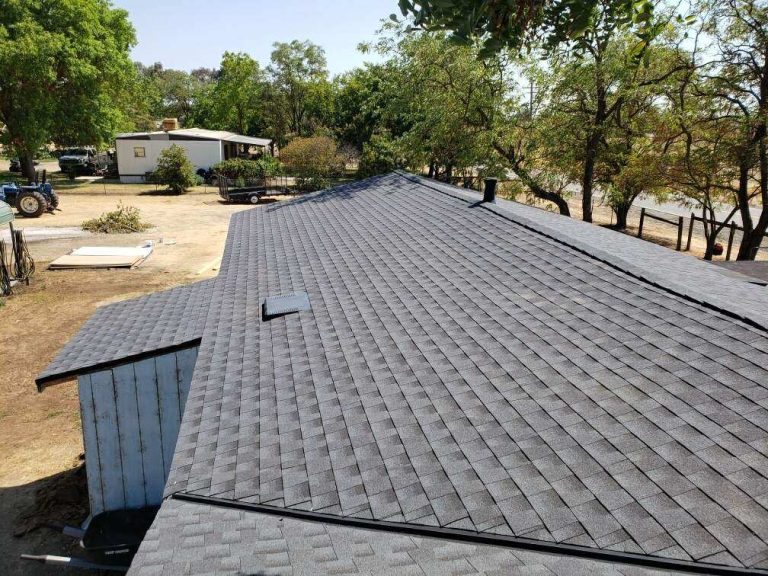
6 Most Trusted Roofing Companies in Rocklin CA
When it comes to roofing companies in Rocklin CA, Rocklin's specific housing conditions make contractor selection more consequential than homeowners in milder markets often…
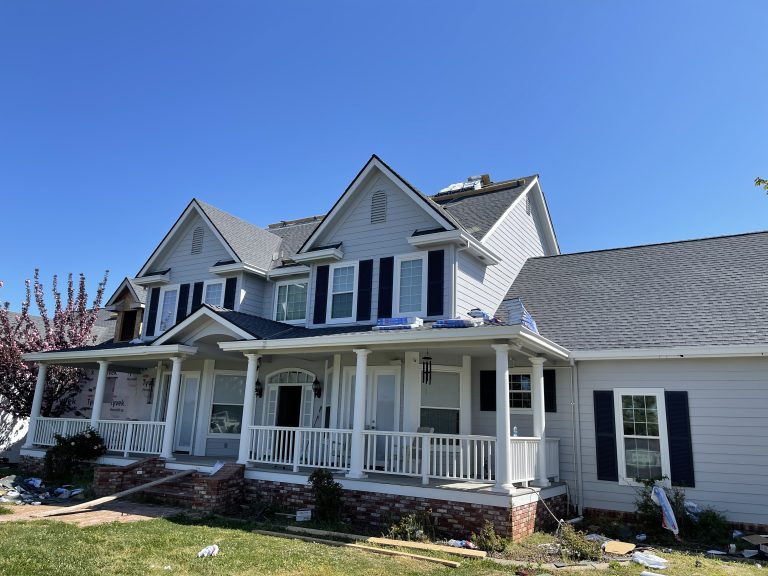
7 Top Roofing Companies in Citrus Heights CA Ranked
Finding reliable roofing companies in Citrus Heights CA matters more than most homeowners expect before their first estimate call. Citrus Heights sits in Sacramento…
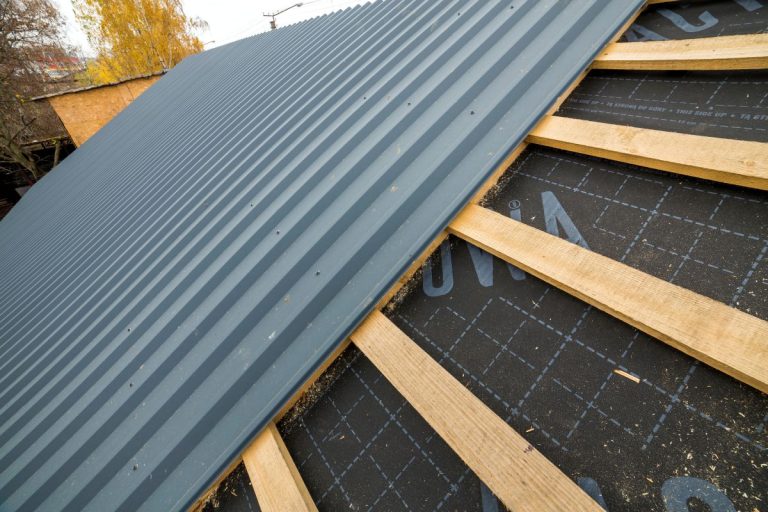
Peel and Stick Roofing Underlayment vs Felt: 7 Differences
The underlayment is the layer most homeowners never see and rarely think about, until a roof fails and the investigation traces back to moisture…

Make Your Home Exterior Spartan Strong!
Strong homes start with a team that does the job right.