

The underlayment is the layer most homeowners never see and rarely think about, until a roof fails and the investigation traces back to moisture that got through the shingles and was not stopped by anything below them. Peel and stick roofing underlayment and traditional felt are both used in residential roofing, but they perform very differently under the conditions that actually test them. Understanding the seven key differences between these two systems helps homeowners evaluate contractor recommendations and know whether the underlayment being quoted is appropriate for their roof, their climate, and the warranty they expect to receive. For a closer look at the installation standards Spartan brings to every roofing system, that context is worth reviewing before your next contractor conversation.
This blog covers:
- What peel and stick and felt underlayment are and how each is installed
- The 7 key differences in performance, protection, and application
- Where California Building Code requires peel and stick coverage
- How underlayment choice affects GAF warranty eligibility in Northern California
We’re proud to serve homeowners in Citrus Heights, CA, and nearby communities with residential roofing services and more.
What These Two Underlayment Types Actually Are
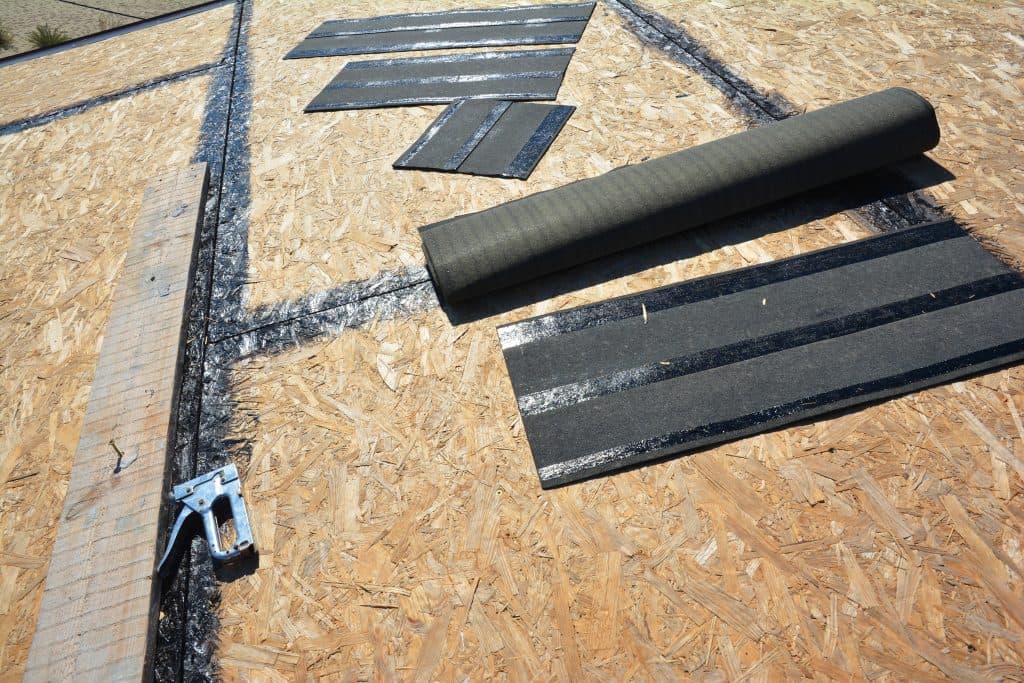
Felt underlayment, often called tar paper, is asphalt-saturated organic paper or fiberglass felt mechanically fastened to the roof deck with nails or staples. It comes in 15-lb and 30-lb weights, with 30-lb felt offering meaningfully better tear resistance and water resistance than the lighter product. Felt has been the standard residential underlayment for decades, is inexpensive, and is readily available in every roofing market.
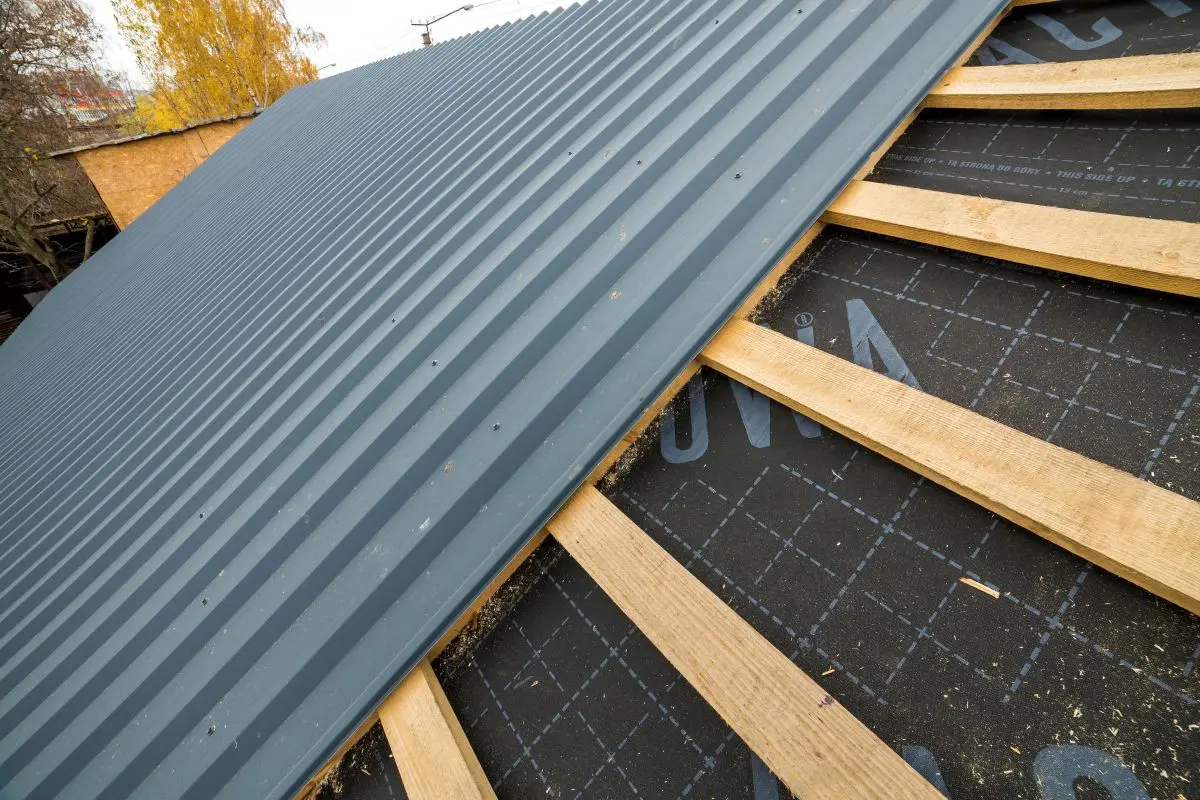
Peel and stick underlayment, also called self-adhering membrane or ice and water shield, is a rubberized asphalt adhesive product that bonds directly to the roof deck without mechanical fasteners. The self-adhesive backing creates a continuous waterproof seal across the deck surface, and the rubberized compound self-seals around roofing nails driven through it during shingle installation, eliminating the penetration points that mechanically fastened underlayments leave open.
Choosing the right underlayment type depends on your roof’s pitch, climate zone, and warranty goals, and the seven differences below are the framework for making that call.
7 Differences Between Peel and Stick and Felt Underlayment
The differences below are not marketing distinctions. They are performance characteristics that determine what happens to the roof deck, the attic, and the interior of the home when shingles are breached, when wind-driven rain finds a seam, or when a penetration point fails over time.
1. Waterproofing vs. Water Resistance
This is the most fundamental difference between the two systems. Felt underlayment is water-resistant, not waterproof. It sheds water under normal conditions but will absorb moisture when saturated and eventually allows water to pass through, particularly at nail penetration points, overlapping seams, and areas where the felt has dried out and cracked over time. In Northern California’s concentrated rainy season, felt that has been on a roof for 15 years provides meaningfully less protection than it did when new.
Peel and stick underlayment is fully waterproof. The self-adhesive rubberized asphalt compound creates a continuous sealed membrane across the deck surface, and the self-sealing property around nail penetrations means that the waterproof barrier is maintained even after shingles are nailed through it. Water that gets through the shingles cannot pass through a properly installed peel and stick membrane.
- Felt: Water-resistant, not waterproof. Degrades over time at penetrations and seams.
- Peel and stick: Fully waterproof continuous membrane that self-seals around fastener penetrations.
2. Self-Sealing Around Fasteners
When shingles are nailed to a roof, every nail penetrates the underlayment. On a felt system, those penetrations are open holes where water can enter if shingles are lost, damaged, or lifted. On a peel and stick system, the rubberized asphalt compound grips the nail shank and seals around it immediately, maintaining the waterproof barrier even after the nail passes through.
This difference matters most in wind events where shingle edges lift and allow water to drive beneath them. In those conditions, the nail penetrations on a felt system become active water entry points. On a peel and stick system, the same conditions produce no infiltration at the fastener locations because the membrane has sealed around each nail.
- Felt: Open nail penetrations that become water entry points if shingles are damaged or lifted.
- Peel and stick: Rubberized compound self-seals around every fastener, maintaining waterproofing integrity even when shingles above are compromised.
3. Adhesion Method and Wind Uplift Resistance
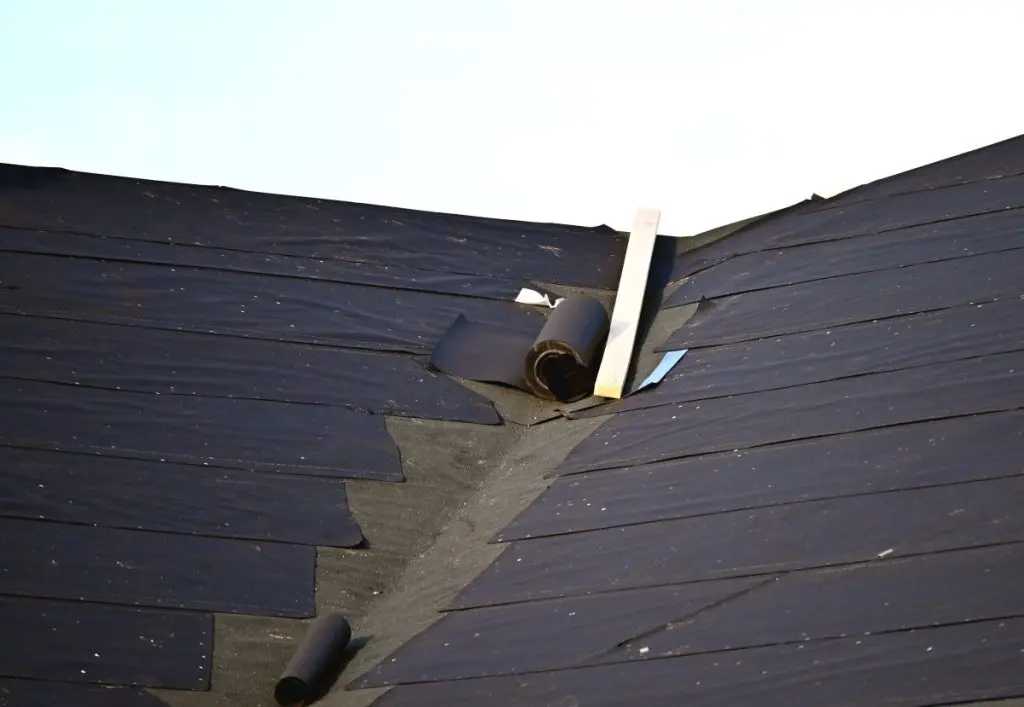
Felt underlayment relies on mechanical fasteners, nails or staples, to hold it to the deck. In high-wind conditions, felt that has not been fully fastened or that has developed tears around fasteners can lift, allowing wind-driven rain to get beneath the underlayment and onto the unprotected deck. The risk is highest at eaves, rakes, and valleys where wind uplift forces concentrate.
Peel and stick underlayment bonds directly to the deck surface across its entire footprint, creating a continuous adhesive connection that wind cannot separate from below. This adhesion advantage is why California Building Code, per verified code guidance from TMC Roofing, requires peel and stick underlayment in valley flashings, around skylights and chimney bases, and along eaves on steeper pitches. These are the locations where wind uplift and water infiltration risk is highest.
- Felt: Mechanically fastened; susceptible to wind uplift at edges and penetrations.
- Peel and stick: Full-surface adhesive bond; not susceptible to wind uplift; required by California code in high-risk zones.
4. Deck Protection During Construction
A roof deck is typically exposed between tear-off and final shingle installation, sometimes for days depending on crew size and weather. Felt underlayment provides temporary weather protection during this window but is vulnerable to tears, blow-off in wind, and saturation in rain. A soaked felt layer that cannot dry before shingles go on traps moisture against the deck, which accelerates wood rot and can void manufacturer warranties.
Peel and stick underlayment is much more resistant to damage during the construction exposure window. It does not tear from foot traffic or wind as easily as felt, and it maintains its waterproof seal even if rain occurs between deck installation and shingle application. For Northern California re-roofing projects scheduled during or near the rainy season, this construction protection advantage is a meaningful practical benefit.
- Felt: Vulnerable to damage and saturation during construction exposure window.
- Peel and stick: Maintains waterproof seal during construction; more resistant to foot traffic and wind damage before shingles are installed.
5. Cost
This is where felt has its clearest advantage. Felt underlayment costs significantly less per square foot than peel and stick, and on a full-coverage installation for a typical residential roof, the difference can add $800 to $2,500 to the project cost depending on roof size and product selection. The cost premium for peel and stick is real and should be evaluated against the performance difference rather than simply dismissed or accepted.
The correct approach for most Northern California re-roofing projects is a hybrid system: peel and stick at the high-risk zones California code requires (eaves, valleys, penetrations, and around skylights) with synthetic or 30-lb felt covering the field. This approach captures the critical waterproofing benefit where it matters most while managing overall project cost.
- Felt: Significantly less expensive per square foot; full-coverage felt is the lowest-cost underlayment option.
- Peel and stick: Higher cost per square foot; hybrid application with felt in the field is the most common cost-effective approach.
6. Temperature Performance
Felt underlayment becomes brittle in extreme cold and can crack at lap seams under thermal cycling. In Northern California’s Sacramento Valley climate, where summer temperatures exceed 100 degrees and winter nights fall below freezing in foothill communities, repeated thermal cycling degrades felt faster than it does in moderate climates.
Peel and stick underlayment with SBS (styrene-butadiene-styrene) modified asphalt chemistry maintains flexibility across a significantly wider temperature range than standard felt. It does not become brittle in cold, does not soften excessively in heat, and maintains its adhesive seal through the thermal cycling conditions Sacramento Valley roofs experience annually. For foothill communities near Citrus Heights and the Sierra Nevada foothills, this thermal stability is a relevant performance advantage.
- Felt: Becomes brittle in cold; degrades under repeated thermal cycling.
- Peel and stick (SBS modified): Maintains flexibility and adhesion across extreme temperature ranges; better suited to California’s thermal cycling conditions.
7. Impact on Manufacturer Warranty Eligibility
GAF’s strongest residential warranty, the Golden Pledge, requires installation of a qualifying GAF system that includes specific accessories. GAF’s WeatherWatch and StormGuard peel and stick products are required components for the complete system that unlocks the highest warranty tiers. A homeowner who installs GAF shingles over standard felt may receive a lower warranty tier than a homeowner who specifies the qualifying peel and stick products as part of the system.
This is not a marketing distinction. It is a warranty contract difference. Spartan Home Services installs GAF qualifying systems that include peel and stick coverage at required zones as part of every qualifying installation, because the system components determine the warranty tier available, not just the shingles.
- Felt: Does not qualify as a GAF system component; limits the warranty tier available on GAF installations.
- Peel and stick (qualifying GAF products): Required component for higher GAF warranty tiers including the Golden Pledge.
Frequently Asked Questions About Peel and Stick Underlayment
These questions reflect what Northern California homeowners most often ask when comparing underlayment options during a roof replacement estimate.
Is peel and stick underlayment required by California code?
California Building Code requires peel and stick underlayment at valleys, around skylights and chimney bases, and along eaves on qualifying roof pitches. These are the zones where water infiltration and wind uplift risk is highest. Premium installations extend peel and stick coverage beyond these minimum zones, and GAF system installations require specific coverage zones to qualify for higher warranty tiers.
Does peel and stick underlayment replace felt entirely?
Not typically. Full-coverage peel and stick is available but adds significant cost. The more common and cost-effective approach is a hybrid system using peel and stick at code-required and high-risk zones and synthetic or 30-lb felt across the field. This captures the waterproofing benefit where it matters most without the full cost of a peel and stick field coverage.
How long does peel and stick underlayment last?
Most peel and stick underlayment products are rated for 25 to 50 years when protected by shingles above. The rubberized asphalt chemistry resists aging significantly better than felt, and the self-sealing properties remain active across the product’s rated life. Felt underlayment typically degrades noticeably within 10 to 20 years.
Spartan Installs the Right Underlayment for Your Roof and Warranty
Underlayment choice directly affects both how well your roof performs and what warranty coverage your installation qualifies for. Spartan Home Services specifies and installs the qualifying GAF underlayment system on every applicable project, ensures California code zone coverage with peel and stick where required, and explains every component of the underlayment specification before work begins. Talk to our team today and we will walk you through exactly what your roof installation includes before you commit to anything.