


The answer to how long does a roof last depends on more than just the material on your home. Two roofs installed in the same year, in the same neighborhood, with the same shingles can perform completely differently over time, and the gap usually comes down to a handful of variables that most homeowners never think about until something goes wrong. Understanding what actually determines roof lifespan helps you make better decisions before, during, and after a roofing project. If you’re planning a replacement and want to understand what a properly installed roof looks like from the ground up, that’s the right place to start.
This blog covers:
- How roofing material affects lifespan across different product types
- Why installation quality is the single biggest variable
- How attic ventilation directly impacts shingle performance
- What Northern California’s climate does to roofing systems over time
- How maintenance habits extend or shorten a roof’s effective life
- When to take warning signs seriously before they become bigger problems
We’re proud to serve homeowners in Sacramento, CA, and nearby communities with residential roofing services and more.

What the Average Roof Lifespan Actually Looks Like
Most residential roofs last somewhere between 20 and 50 years, but that range is wide enough to be nearly useless without context. The material is the starting point, and it sets the theoretical ceiling. According to the National Roofing Contractors Association and the Asphalt Roofing Manufacturers Association, architectural asphalt shingles are rated for 25 to 30 years under standard conditions, while metal roofing systems can last 40 to 70 years depending on gauge and coating, and clay or concrete tile typically reaches 50 years or more. Those numbers represent performance under proper conditions. How close a roof actually gets to its rated lifespan comes down to the factors below.
| Roofing Material | Typical Lifespan |
| 3-tab asphalt shingles | 15 to 20 years |
| Architectural asphalt shingles | 25 to 30 years |
| Luxury/premium architectural shingles | 30 to 50 years |
| Concrete or clay tile | 40 to 50+ years |
| Standing seam metal | 40 to 70 years |
| Natural slate | 75 to 150 years |
6 Factors That Decide How Long a Roof Lasts
Material sets the ceiling. Everything else determines whether your roof reaches it or falls short years ahead of schedule. The six factors below are the ones that experienced roofing contractors track when evaluating a roof’s remaining useful life.
1. Roofing Material and Product Quality
The material on your roof is the most visible variable, but product quality within a material category matters just as much as the category itself. A budget-tier architectural shingle and a premium impact-resistant architectural shingle can both be called architectural shingles and carry dramatically different lifespans. Thicker base mats, denser granule coverage, and stronger adhesive strips all translate to real-world longevity differences that show up years down the road.
- Shingle weight: Heavier shingles resist wind uplift, granule loss, and thermal cycling more effectively than lighter products in the same category.
- Granule quality: Dense, high-quality granules maintain UV protection longer, which is the primary mechanism that slows shingle aging in high-sun climates.
- Class ratings: Class 4 impact-resistant products carry construction upgrades that extend effective lifespan beyond standard architectural shingle ranges.
2. Installation Quality
This is the factor most homeowners underestimate, and the one roofing professionals consistently rank as the most important. An improperly installed roof will never reach its rated lifespan regardless of the material. Incorrect nailing patterns, skipped starter shingles, improper flashing, and out-of-sequence drip edge installation all create failure points that compound over time. A roof installed by a GAF Master Elite certified contractor follows manufacturer-specified methods that the warranty is actually structured around.
- Nailing pattern: Roofing nails driven too deep, too shallow, or in the wrong zone compromise shingle seating and wind resistance from day one.
- Flashing integrity: Improperly installed flashing around chimneys, skylights, and roof-to-wall intersections is one of the leading causes of early roof failure.
- Certification impact: Manufacturer certifications like GAF Master Elite exist specifically because installation quality determines whether a material performs at its rated level.
3. Attic Ventilation
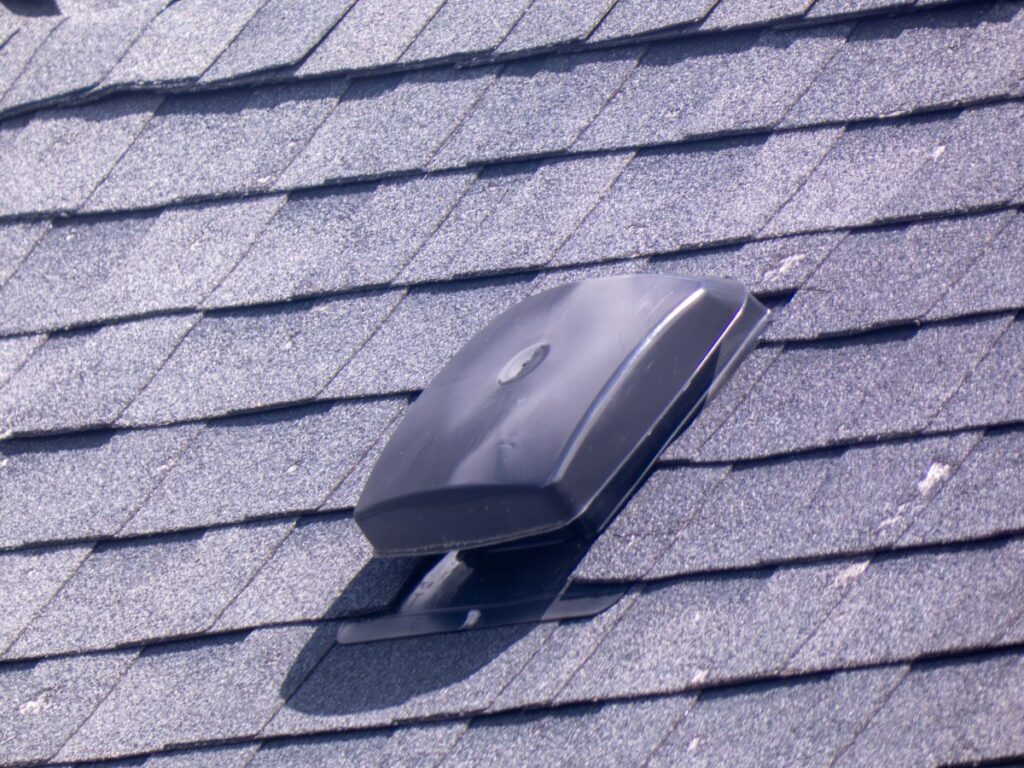
Ventilation is the factor homeowners hear about least and that causes the most preventable damage. When attic air can’t circulate properly, heat and moisture build up beneath the roof deck and accelerate degradation from the inside out. In Northern California’s climate, where summer attic temperatures without adequate ventilation can reach 150 degrees or more, the compounding effect of poor ventilation on shingle lifespan is significant. Ridge and soffit vents work together to create a continuous airflow that keeps the attic temperature regulated year-round.
- Heat damage: Excessive attic heat accelerates the oxidation of asphalt shingles, causing granule loss and brittleness years ahead of schedule.
- Moisture accumulation: Poor ventilation traps moisture that causes decking rot, mold growth, and premature underlayment failure beneath the surface.
- Warranty implications: Most shingle manufacturers require adequate attic ventilation as a condition of warranty coverage, meaning a poorly ventilated install may not be covered when problems arise.
4. Local Climate and Weather Exposure
Where you live affects how quickly a roof ages. Sacramento-area homeowners deal with a specific combination: sustained UV exposure through long, dry summers, temperatures that exceed 100 degrees for extended stretches, and a concentrated rainy season that puts pressure on every weak point a roof has accumulated over the previous months. This cycle is less severe than hail-prone regions but more demanding on UV-sensitive materials than coastal or northern climates.
- UV degradation: Prolonged sun exposure breaks down asphalt binders and granule adhesion faster in high-UV environments, making reflective shingle lines a practical investment in the Sacramento region.
- Thermal cycling: Daily temperature swings cause materials to expand and contract, and roofs that handle this cycle better — through heavier construction or superior adhesives — last longer.
- Rainy season stress: Water infiltrates any weak point the summer heat season creates, which is why the condition of flashing, sealants, and granule coverage at the end of summer matters so much.
5. Maintenance and Inspection History
A roof that is inspected annually, has its gutters cleared, and gets minor repairs addressed promptly will consistently outlast a comparable roof that goes years without attention. Debris accumulation traps moisture against shingles and accelerates the granule loss that exposes base mat. Blocked gutters allow water to back up against the fascia and eave flashing. Small flashing failures that cost a few hundred dollars to repair become decking rot issues that cost significantly more to address after a few rainy seasons.
- Annual inspections: A professional inspection once per year catches deteriorating flashing, granule loss, and ventilation issues before they compound into structural problems.
- Gutter maintenance: Clear gutters prevent water backup that compromises the eave edge and drip edge, two of the most common entry points for water infiltration.
- Prompt repairs: A minor repair addressed in the first season after it appears costs a fraction of the same issue left to worsen through one or two more rainy seasons.
6. Roof Pitch and Structural Design
The angle of your roof affects how effectively it sheds water and debris, and how much direct sun exposure the surface receives throughout the day. Steeper pitches drain faster, allow debris to clear more readily, and tend to support longer shingle life. Lower-slope or flat roofing sections require more aggressive waterproofing strategies and are more vulnerable to pooling water that accelerates material degradation. The structural design also affects how well ventilation can be achieved and whether certain materials are even appropriate for the application.
- Steep pitch advantages: Water clears faster, debris accumulates less, and shingles experience less standing moisture, all of which contribute to longer effective lifespan.
- Low-slope vulnerabilities: Areas of a roof with pitches below 2:12 typically require modified bitumen, TPO, or other low-slope systems rather than standard shingles.
- Sun angle exposure: South-facing roof sections receive more direct UV exposure than north-facing sections on the same home, which can produce uneven aging patterns across a single roof.
Frequently Asked Questions About Roof Lifespan
Homeowners planning ahead on their roofing timeline tend to have consistent questions about how long they can expect to get out of their current roof and what they can do to push that number higher. The answers below cover the most practical ones.
How do I know when my roof needs to be replaced rather than repaired?
Age is the first indicator, but condition tells a more accurate story. A roof approaching the upper end of its material’s rated lifespan with widespread granule loss, multiple areas of curling or cracking shingles, and recurring leak patterns is likely a replacement candidate. A roof with isolated damage well within its rated lifespan is usually a repair situation. A professional inspection is the most reliable way to get an honest answer.
Does a new roof add value to a home?
Yes. A new roof is one of the home improvement projects with the strongest documented return on investment at resale. Beyond the market value impact, it eliminates the roof as a negotiation point for buyers and gives the new owners a full warranty period from the installation date. Architectural shingles add more value than 3-tab products, and documented installation by a certified contractor strengthens the case further.
How much does attic ventilation affect shingle lifespan?
Significantly. Industry guidance from roofing manufacturers consistently ties inadequate ventilation to premature shingle failure and voided warranties. In climates like Sacramento’s, where summer attic temperatures can spike dramatically without proper airflow, good ventilation can add years to a roof’s effective service life. It’s also one of the easier and less expensive things to correct on a roof that’s otherwise in good condition.
What signs tell me my roof is nearing the end of its lifespan?
Widespread granule loss visible in gutters or at downspout outlets, multiple shingles that are curling, cracking, or missing, daylight visible through the attic decking, and recurring interior water stains that return after repair are all indicators that a roof is approaching end of life. If your roof is within five years of its material’s rated lifespan and showing multiple symptoms, a professional inspection is the right next step.

Spartan Home Services Helps Your Roof Go the Distance
A roof that reaches its full rated lifespan doesn’t happen by accident. It happens because the right material was selected, installed correctly by a certified contractor, paired with proper ventilation, and given the maintenance attention it needed over time. Spartan Home Services brings GAF Master Elite certification, a dedicated concierge model, and more than 30 years of construction experience to every roofing project across the greater Sacramento and Fairfield service areas. When you’re ready to talk through your roof’s current condition or plan for what comes next, reach out to our team and we’ll give you a straight answer before you commit to anything.
Recent Articles Posts
Best Roofing Materials California FAQs
Finding the best roofing materials california faq answers before walking into a contractor conversation puts homeowners ahead of most of the decisions they will…
Roof Cost in Elk Grove CA for 2026: Costs & Financing
Understanding roof cost in elk grove ca before evaluating contractor bids helps homeowners avoid the most common mistake in the roofing process: comparing final…
Roof Cost in Sacramento CA for 2026: Costs & Financing
Understanding roof cost in Sacramento CA before your first contractor call puts you in a much stronger position when bids start arriving. Sacramento homeowners…

Make Your Home Exterior Spartan Strong!
Strong homes start with a team that does the job right.