


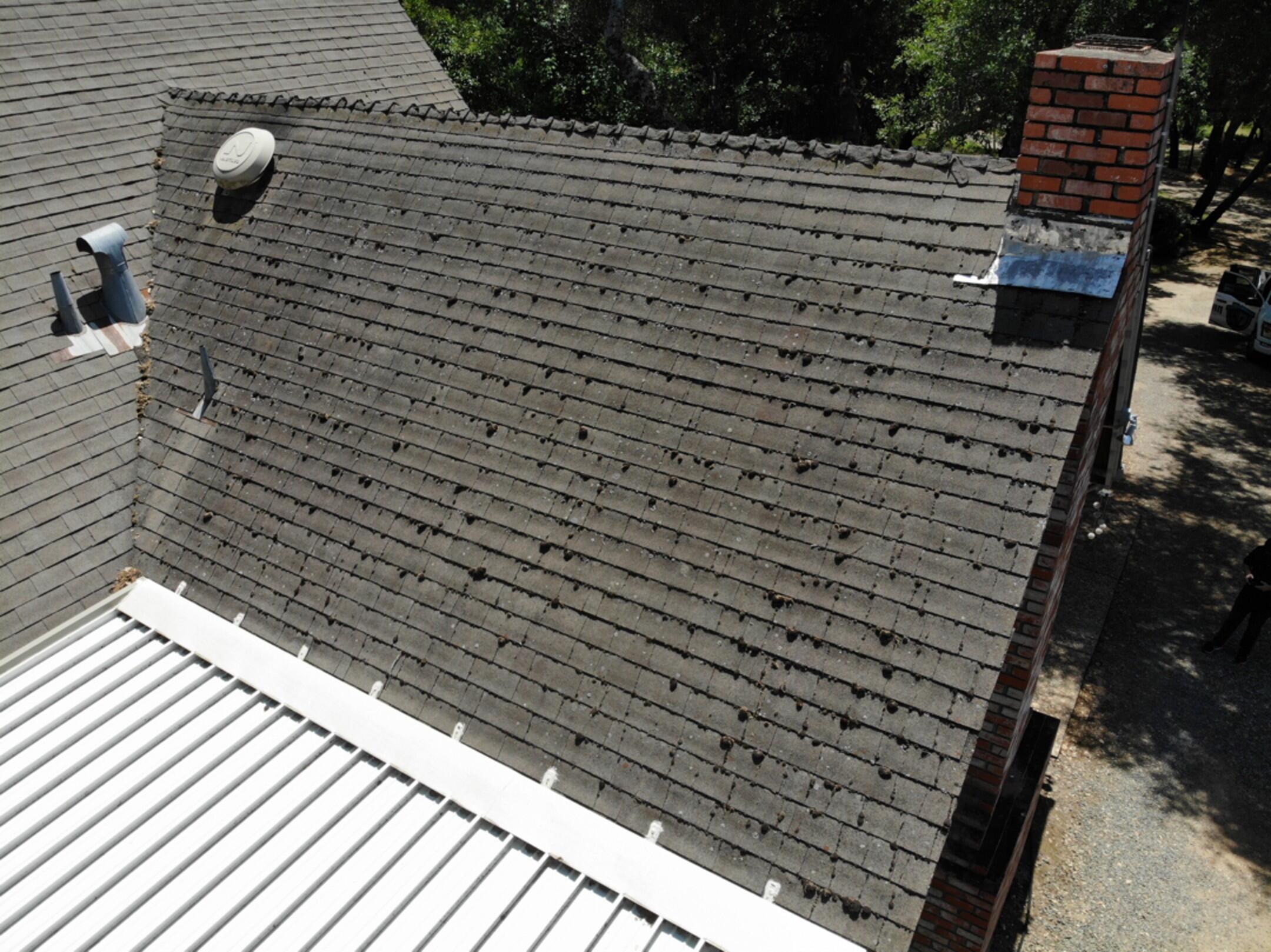
Moss removal from roof surfaces looks like an easy weekend project from the ground, and it is one of the riskier jobs a homeowner can take on. Wet moss is slippery, aging shingles are brittle, and the most common shortcut, a pressure washer, strips the protective granules off the roof. Done carefully, a moss covered roof can be cleared and future moss growth kept in check, but the method matters as much as the effort. If you want to see Spartan’s algae-resistant shingle options and installation standards, that is worth reviewing if your roof is nearing replacement.
This blog covers:
- Why moss on a roof is more than a cosmetic problem
- Safety rules to follow before anyone climbs a ladder
- The 7 safe methods and prevention tips
- When moss means it is time to call a professional or replace the roof
We’re proud to serve homeowners in Rocklin, CA, and nearby communities with residential roofing services and more.
Why Moss on a Roof Is a Problem
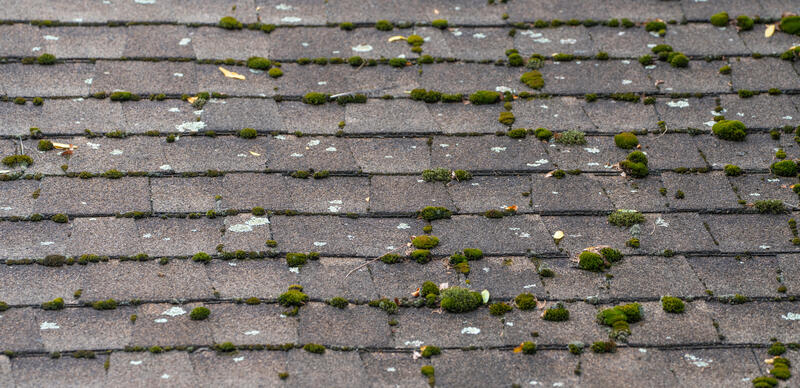
Moss and algae growth are not the same thing. Algae shows up as dark streaks and is mostly an appearance issue. Moss is thicker, grows in patches, and holds water against the roof surface. The Asphalt Roofing Manufacturers Association explains that moss needs a moist environment to survive and that, unlike algae, moss can be detrimental to asphalt shingle performance. If it is left alone, buildup can lead to roof damage or shingle blow-off.
In the Sacramento region, roof moss is less common than in wetter coastal climates, but it does grow. It tends to appear on shaded, north-facing slopes under oak and pine canopy, where the roof stays damp through the rainy season. A roof that holds moisture for months at a time is a roof that ages faster, which is why a patch of moss on an older roof deserves attention.
Before You Start: Safety First
Moss removal involves working on a wet, slippery surface at height, so safety decides whether the job is worth doing yourself at all. A fall from a roof can cause serious injury, and walking on old, brittle shingles can crack them and create leaks. Before anything else, ask whether the job is within your comfort level.
- Avoid walking on the roof when possible: Work from a ladder with a long-handled tool, and do not step on wet or mossy shingles.
- Pick a dry day: Moss is slipperiest after rain and in the morning dew, and cleaning solutions evaporate too quickly in extreme heat.
- Never use a pressure washer: The Asphalt Roofing Manufacturers Association states that high-pressure washing is likely to damage asphalt roofing and should not be used.
- Protect plants and drainage: Wet landscaping beforehand, and keep any cleaning solution out of storm drains.
- Hire a professional for steep or multi-story roofs: If the pitch is steep or the roof is two stories, the risk is not worth the savings.
7 Safe Methods and Prevention Tips for Moss Removal From Roof
The first four items below remove moss that is already growing, and the last three keep it from returning. Use them in order, and stop at any point where the job starts to feel unsafe.
1. Brush or Scrape Gently
Use a soft-bristle brush or a plastic scraper on a long handle, working downward in the direction of the shingles so the tabs are not lifted. Hard scraping tears off granules and can pull up the shingles themselves.
- Best for: Light to moderate patches and any loose moss left after treatment.
- Watch for: Granules collecting in the gutter, which signals the pressure is too hard.
2. Treat First, Then Let the Moss Loosen
Moss that has been treated dies slowly and loosens its grip over time. The Asphalt Roofing Manufacturers Association notes that moss will loosen and can be cleared with a leaf blower, which avoids aggressive scraping. Patience protects the shingles better than force, and the remaining moss structure becomes brittle and easy to lift.
- Why it works: A dead, dry moss mat lifts off with far less effort than a living, rooted one.
- Timing: Allow days to weeks after treatment, depending on how thick the growth is.
3. Apply a Moss Killer or Diluted Bleach Carefully
The Asphalt Roofing Manufacturers Association describes a 50:50 mix of laundry-strength liquid chlorine bleach and water as the most effective way to kill roof moss and algae. That guidance comes with cautions. Check your shingle manufacturer’s recommendations first, since some advise against certain chemicals, and bleach can harm plants and metal if it runs off.
- Application: Use a low-pressure garden sprayer, wet nearby plants first, and rinse them afterward.
- Alternatives: Commercial moss-control products labeled for asphalt shingles are an option, and the label directions should be followed exactly.
4. Rinse With Low-Pressure Water
After treatment, rinse the roof from the top down with a garden hose, using ordinary household water pressure. This finishes the roof moss removal process, clearing dead moss and residue while keeping the granules in place.
- Rinse direction: Top to bottom, so water does not get driven under the shingles.
- Do not substitute: A pressure washer, even on a low setting, risks damage that a hose does not.
5. Trim Overhanging Trees and Clear Debris
Shade and trapped moisture are what moss needs to grow. Trimming branches that overhang the roof lets sunlight and airflow dry the surface, and clearing leaves and needles from valleys and gutters keeps the roof from staying damp.
- Sunlight: Even a few extra hours of direct sun reduces moss growth on a slope.
- Debris: Leaves and needles hold moisture against the shingles and feed new growth.
6. Install Zinc or Copper Strips
Zinc and copper release metal ions as rain runs over them, which discourages moss and algae below. The strips are installed under the shingle row nearest the ridge, so water carries the metal down the slope. They are an affordable preventive measure, though results vary, and they work best on the area below the strip.
- Placement: Along the ridge, tucked under the cap shingles.
- Expectation: They slow regrowth rather than guarantee a moss-free roof.
7. Choose Algae-Resistant Shingles at Replacement
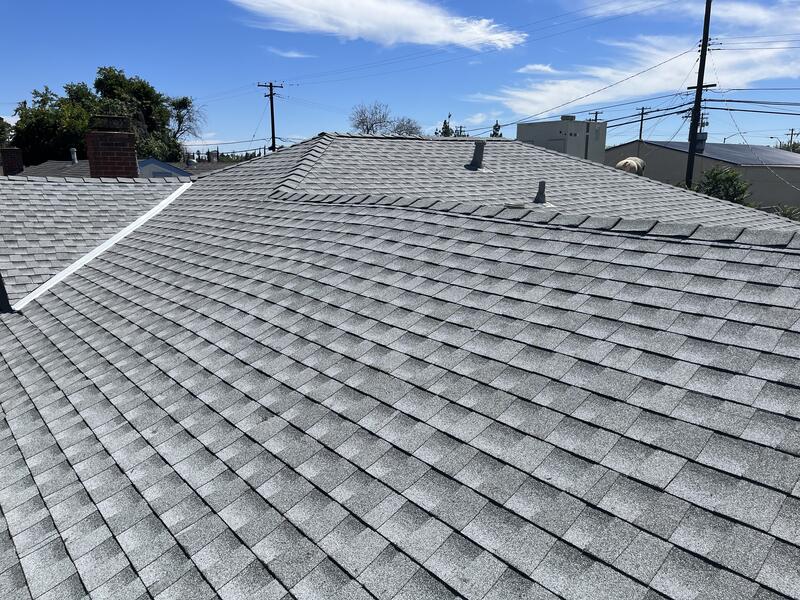
When it is time for a new roof, shingles with algae-resistant granules are the most durable prevention. Copper is incorporated into the granules of these shingles, and many manufacturers offer them as an option. On a shaded lot, choosing them during replacement addresses the cause of the problem instead of managing the symptom.
- Best timing: At roof replacement, since the protection is built into the shingle.
- Pair with: Tree trimming and good attic ventilation to keep the roof dry.
Moss on Tile and Metal Roofs
Everything above applies to asphalt shingles, which are the most common roofing in the region. Tile and metal roofs behave differently, so the approach changes with the material. In every case, the manufacturer’s care instructions come first, because the wrong method can void coverage or damage the surface.
- Concrete and clay tile: Tile can hold moisture in its surface and in the gaps between pieces, so moss can take hold in shaded areas. Tile is also fragile underfoot, and walking on it is a common way to crack pieces and create leaks. Cleaning tile is a job for crews who know how to move across it without breaking it.
- Metal roofing: Smooth metal panels shed water quickly and give moss little to hold, but debris that collects in valleys and along seams can stay damp and grow moss. Clearing that debris and keeping the panels clean usually prevents the problem.
- Stone-coated steel and synthetic slate: These products have textured surfaces that can hold growth in shaded areas, and the manufacturer’s cleaning guidance applies.
On any material, moss growing in the same spot year after year points to a moisture problem that cleaning alone will not solve. Shade, trapped debris, poor drainage, or inadequate attic ventilation are usually part of the cause, and a contractor can help identify which one is at work on your roof.
When Moss Means It Is Time to Call a Pro or Replace
Cleaning helps a roof that is still structurally sound. It does not fix a roof that has already been damaged. Moss that has been growing for years can leave shingles lifted, granules worn, and decking soft underneath.
- Thick, deep moss: Heavy growth with roots in the shingles often means damage has already started.
- Curling or lifting shingles: Moss can pry shingle edges up and let water underneath.
- Heavy granule loss: Bare, shiny patches and granules in the gutters signal a worn surface.
- Age: A shingle roof near the end of its service life may not be worth cleaning, and the money is better spent on replacement.
A roofing professional can tell you whether the shingles can be saved or whether the roof is past its useful life.
Frequently Asked Questions About Moss Removal From Roof
These are the questions Rocklin homeowners ask most often when they notice moss on the roof.
Is moss on my roof really harmful?
It can be. Moss holds moisture against the shingles, and left unchecked it can lift shingle edges and speed up deterioration. A small patch is not an emergency, but ongoing growth deserves attention.
Can I use a pressure washer to remove moss?
No. High-pressure washing is likely to strip granules and damage asphalt shingles, which shortens the life of the roof. A soft brush, low-pressure rinse, and appropriate treatment are safer.
How often should a roof be cleaned of moss?
It depends on shade, moisture, and the roof material. On heavily shaded roofs, treatment may be needed periodically, while roofs with good sun exposure may only need occasional attention. Prevention through tree trimming and algae-resistant shingles reduces how often cleaning is necessary.
Get Your Roof Checked Before Moss Does Damage
Moss is often the first visible sign that a roof is staying wet, and the right fix depends on what is happening under it. Spartan Home Services is GAF Master Elite certified and serves homeowners across the Sacramento and Fairfield service areas, evaluating the condition of the shingles and recommending repair or replacement when it makes sense. Book a roof condition consultation and we will tell you honestly whether your roof can be cleaned or needs more.
Recent Articles Posts
Roof Repair Warranty in California: What Homeowners Should Know in 2026
Understanding roof repair warranty California FAQ answers before you approve a repair keeps you from discovering the fine print after a leak returns. California…
7 Top Roof Repair Companies in Citrus Heights CA
Finding dependable roof repair Citrus Heights CA homeowners can count on starts with understanding what makes repairs go wrong in this area. Citrus Heights…
6 Most Trusted Roof Repair Companies in Rocklin CA
Choosing a contractor for roof repair Rocklin CA homeowners can rely on takes more than comparing phone quotes, because the repair itself is only…

Make Your Home Exterior Spartan Strong!
Strong homes start with a team that does the job right.