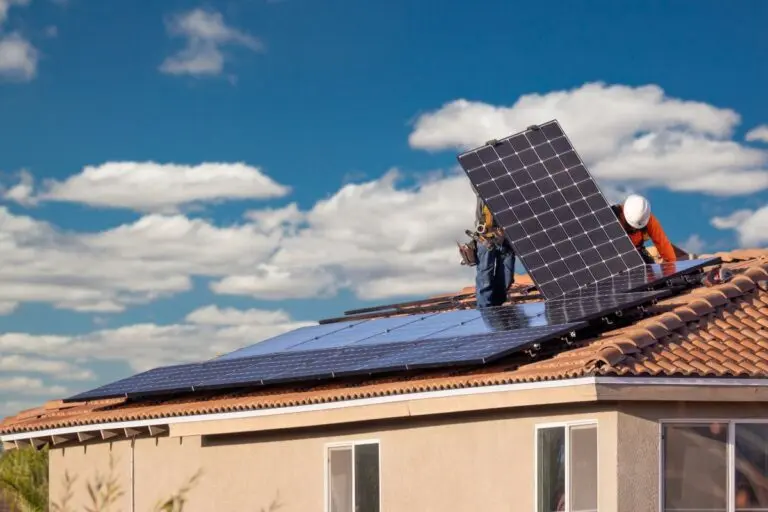


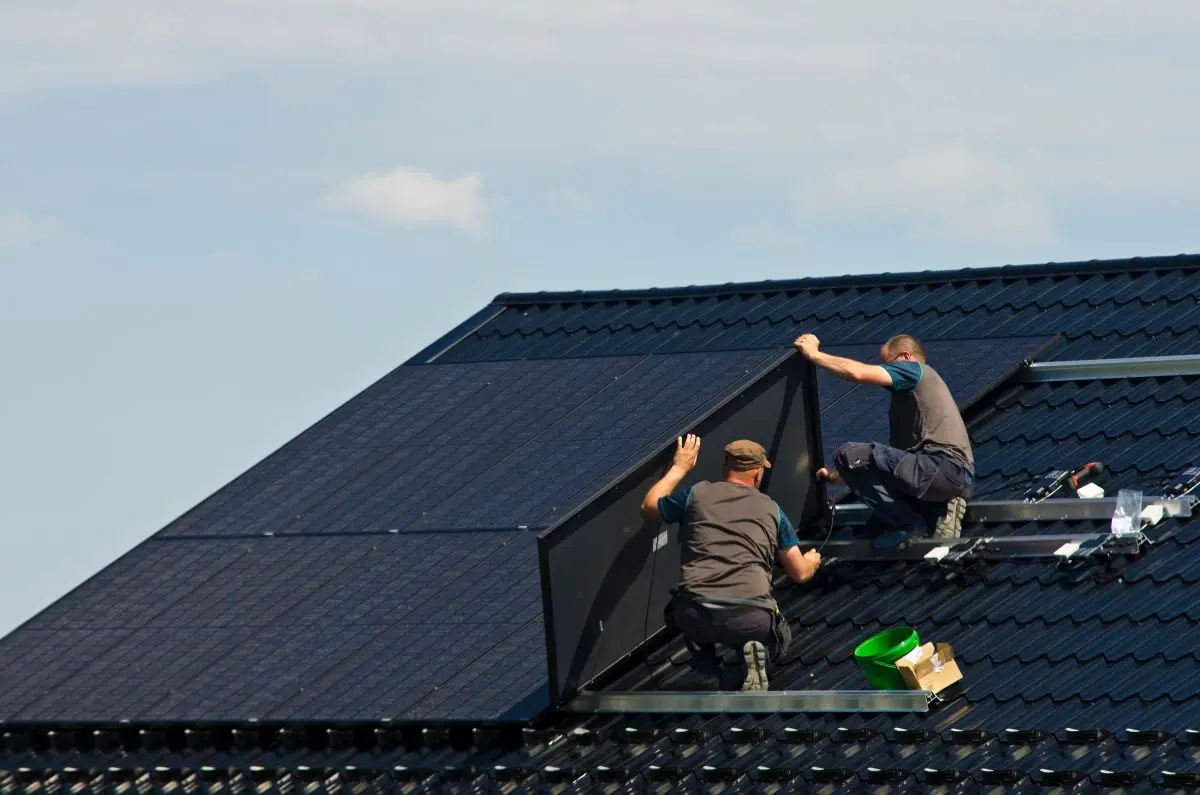
Going solar is one of the largest investments a homeowner can make. Rooftop solar panels for home installations have become more mainstream and more financially complex than they were even a few years ago, and the solar company you choose determines the outcome more than the solar panels themselves. Understanding which questions matter before signing anything is the most practical preparation available. If you want to understand the details that determine how long a roof lasts under solar panels before your first installer conversation, that context is worth having first.
This blog covers:
- The 10 most important questions to ask before buying rooftop solar
- What the right answers from a reputable solar company look like
- How California’s incentive landscape has changed in 2026
- What to watch for in contracts, warranties, and monitoring
We’re proud to serve homeowners in Folsom, CA, and nearby communities with solar installation and roofing services and more.
Why These Questions Matter More in 2026
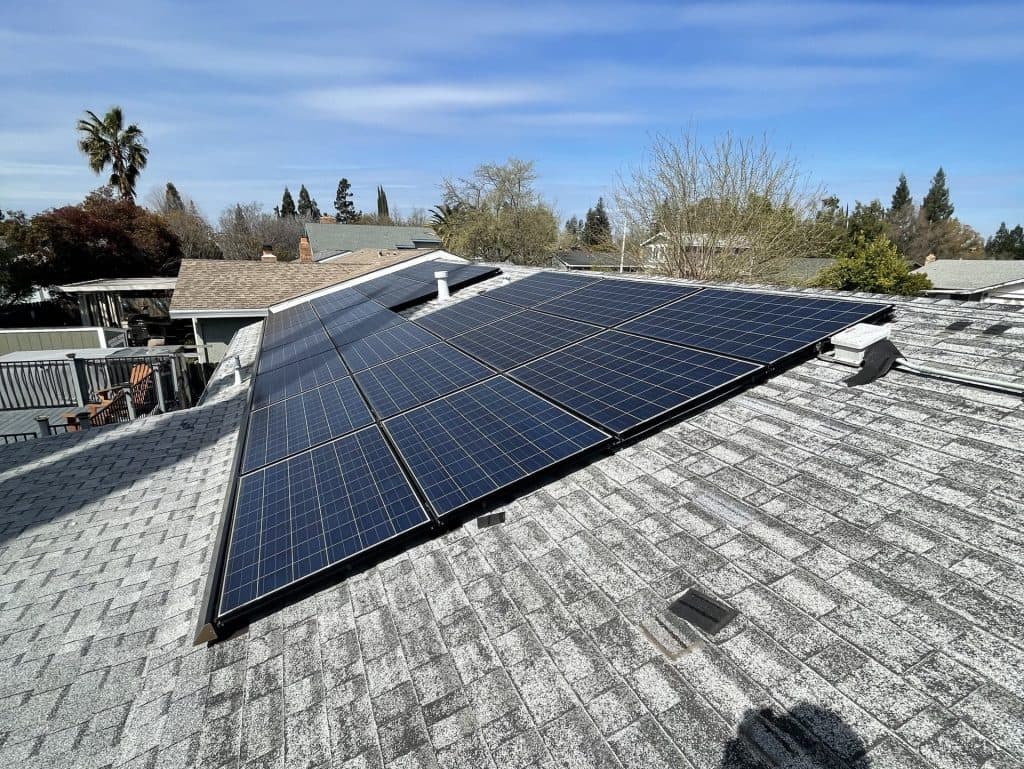
The federal residential solar tax credit under Section 25D expired December 31, 2025. Most solar panels installers can no longer pass that 30% savings to individual homeowners. According to EnergySage data cited by Consumer Reports, the average homeowner who owns a solar system outright could break even in close to 11 years, but that timeline depends entirely on accurate system sizing, honest production projections, and clearly disclosed financing terms. Asking the right questions before signing protects that timeline from assumptions that do not hold up in the real world.
10 Questions to Ask Before Installing Solar Panels on Your Home
Each question below addresses a specific area where homeowners are frequently given incomplete information or contract terms that create problems after the solar installation crew leaves.
1. Is My Roof Ready for Solar, and Who Decides?
Installing solar panels is a roofing project as much as an electrical one. If the roof is approaching end of life, the penetrations each panel requires become future leak points. Removing and reinstalling a solar system for a roof replacement typically costs $3,000 to $6,000 or more. Spartan handles both roofing and rooftop solar under one project, so roof condition is evaluated before any panels go on.
- Red flag: An installer who confirms roof readiness from photos or aerial imagery without a physical inspection.
- Right answer: A physical assessment of roof age, condition, and remaining useful life before any solar system is proposed.
2. What Are the Production Projections Based On?
Every solar proposal includes a projected annual electricity generated figure, and that number is the foundation of the savings calculation. Optimistic assumptions about sun hours, shading, and system degradation produce impressive projections. Accurate assumptions produce honest ones. Ask the installer specifically what software was used, what degradation rate was assumed, and how shading was evaluated for your roof using tools like the National Renewable Energy Laboratory’s PVWatts.
- Red flag: A savings projection without disclosed production modeling inputs.
- Right answer: A full production model using National Renewable Energy Laboratory validated tools, a degradation assumption of 0.5% per year or better, and a clear shading analysis for your specific roof.
3. Is the Federal Tax Credit Still Available Through This Installer?
The 30% residential credit under Section 25D expired December 31, 2025 per the One Big Beautiful Bill. Most solar companies can no longer offer this savings directly. However, a commercial pathway under Section 48E remains open, and Spartan is one of the few solar company options in Northern California that can still pass equivalent savings to customers through its financing structure. Spartan captures the commercial credit and applies it as a discount off the purchase price, with every customer qualifying regardless of taxable income.
- Red flag: A solar company that says the tax credit is gone for everyone without explaining whether a commercial pathway exists.
- Right answer: A clear explanation of what savings pathways are available and what the actual price after incentives looks like in writing.
4. What Does the Warranty Actually Cover?
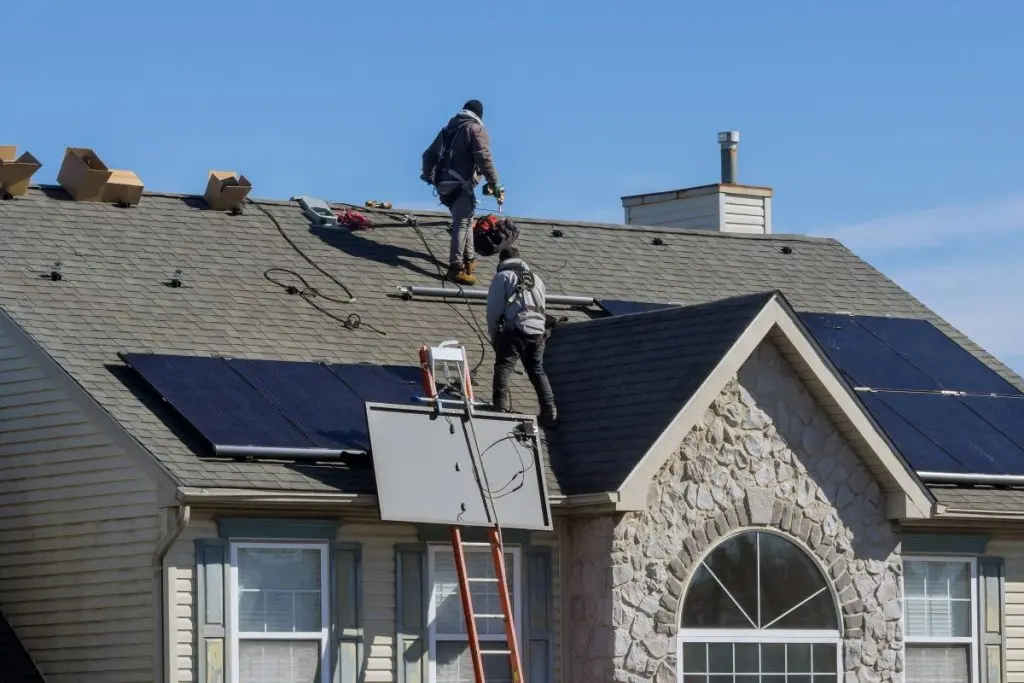
Solar panels typically carry 25-year performance warranties. Inverters carry 10 to 25 years depending on type. Workmanship warranties on the solar installation itself are a separate question, and this is where most homeowners discover the gap. Ask specifically who handles a warranty claim if a panel fails in year 15: the solar company, the manufacturer, or a third party.
- Red flag: Vague assurances that “everything is covered” without written breakdown of warranty terms per component.
- Right answer: Written warranty documentation covering solar panels, inverters, racking, and workmanship with clear terms for who administers each.
5. PPA, Lease, or Own: Which Is Right for You?
The financing structure determines your long-term relationship with the solar system. Owning through a loan gives you the asset and the full value of the renewable energy produced. A PPA means a third party owns the system and you pay for the solar power it generates. Spartan’s ghost PPA structure lets the customer automatically assume full ownership after five years while still capturing commercial tax credit savings most certified energy practitioners and installers cannot access.
- Red flag: A solar company presenting only one financing option without comparison.
- Right answer: A side-by-side comparison of ownership structures with specific monthly payments and total cost over the solar system’s life.
6. What Happens to the Panels If I Sell My Home?
Owned solar systems transfer with the home and typically add value. Leased systems require either lease transfer or buyout, which can complicate financing and reduce the buyer pool. Ask for written documentation of what happens to the financing obligation, the warranty, and the equipment at the point of sale. Under Spartan’s model, the path to ownership is clear and the system transfers cleanly.
- Red flag: A vague answer about transferability without written terms.
- Right answer: Written documentation covering the financing obligation, warranty, and equipment at the point of sale.
7. Who Installs the System and Who Is Responsible if Something Goes Wrong?
Many solar companies sell systems but subcontract the physical solar installation. This creates accountability gaps when something goes wrong. The solar company points to roofing, the roofer points to penetrations, and the homeowner is in the middle. Spartan handles both roofing and solar installation under one contract with one concierge responsible for the entire project.
- Red flag: An installer who cannot answer clearly who is responsible for a leak within a year of solar installation.
- Right answer: A single point of accountability in writing covering roof penetrations and any post-installation damage.
8. How Will I Monitor the Electricity Generated?
Every legitimate solar installation includes a monitoring system that tracks how much electricity generated flows from the solar panels in real time. This data reveals panel failures, inverter degradation, and shading issues before they appear on the utility bill. Ask whether you have direct real-time access and whether the installer proactively monitors performance or leaves that responsibility to you.
- Red flag: No monitoring included, or monitoring that requires you to independently identify underperformance.
- Right answer: Real-time monitoring access and a proactive installer process for flagging and responding to production issues.
9. What Is the Net Metering Policy with My Utility?
Net metering determines how much you are credited for solar power your system exports to the grid. California’s NEM 3.0 significantly changed the economics of rooftop solar for PG&E, SCE, and SDG&E customers. SMUD customers in Sacramento operate under a different framework. An installer who does not address your specific utility’s policy is using generic numbers that may not reflect your actual situation.
- Red flag: A savings projection that does not specify which net metering policy applies to your utility.
- Right answer: A proposal identifying your utility, rate schedule, net metering policy, and how exported solar power is compensated.
10. What Is the Realistic Payback Period, and What Drives It?
The payback period is the most important number in any solar proposal and the most frequently inflated. Accurate calculations account for realistic renewable energy production projections, current utility rates, financing costs, and actual available incentives. The Solar Energy Industries Association consistently notes that payback accuracy depends on assumptions that vary widely between installers. Ask the installer to show you every assumption behind the payback number and what changes if any one proves optimistic.
- Red flag: A payback period without a line-by-line breakdown of assumptions.
- Right answer: A documented payback analysis covering production, utility rate assumptions, incentives, and financing, all in writing before you sign.
Frequently Asked Questions About Rooftop Solar for Home
These questions reflect what homeowners most often ask when evaluating a rooftop solar installation for the first time.
Is rooftop solar still worth it in 2026 without the federal tax credit?
For most Northern California homeowners with good sun exposure and above-average utility bills, yes. California state incentives and Spartan’s commercial pathway that passes tax credit equivalent savings to customers still support strong economics. The answer depends on your specific roof, utility, and energy storage needs.
Should I add energy storage to my solar system?
Energy storage through a battery system like Tesla Powerwall or Enphase allows you to store solar power for use at night or during outages. Under NEM 3.0, which reduced export credits, energy storage is more financially relevant for California homeowners than it was under NEM 2.0. Spartan installs solar and battery systems together.
Should I replace my roof before installing solar?
If your roof is within five to seven years of needing replacement, yes. Removing and reinstalling a solar system for a roof replacement adds $3,000 to $6,000 or more to that future project. Spartan handles both as a combined project, eliminating that cost entirely.
Talk to Spartan Before You Sign Anything
A rooftop solar installation is a 25-year commitment. The solar company you choose, the financing structure you select, and the questions you ask before signing determine what that commitment looks like. Spartan Home Services installs rooftop solar across the Sacramento and Fairfield service areas with a dedicated concierge on every project and the only ghost PPA model in Northern California that still passes tax credit savings to every customer. Schedule your consultation today and get every answer in writing before you commit to anything.