

If you have trees near your home, gutter guards are one of the more practical home maintenance investments available. The question is not whether they work. The better types do. The real question is which of the six main types actually performs under the conditions your home faces. Best gutter guards rankings vary widely depending on what is being measured, who is doing the testing, and what debris load the test accounts for. This blog ranks the six most common gutter guard types by real-world performance for Northern California homeowners dealing with oak leaves, pine needles, and the concentrated debris load of the Sacramento Valley’s dry season. For a clearer picture of Spartan’s gutter installation and maintenance services, that context is worth having before evaluating any guard type.
This blog covers:
- What gutter guards actually do and what they do not eliminate
- The 6 main gutter guard types ranked by performance for Northern California conditions
- Cost ranges for each type in 2026
- How to evaluate contractor installation versus DIY options
We’re proud to serve homeowners in Sacramento, CA, and nearby communities with gutter and roofing services and more.
What Gutter Guards Do and Do Not Do
Gutter guards reduce the frequency of cleaning and prevent large debris from entering the gutter channel, which directly prevents clogged gutters and the overflow damage they cause to downspouts, fascia, and foundations. The best systems cut cleaning frequency from several times per year to once annually for most homeowners. No gutter guard is maintenance-free. Fine debris, shingle granules, seed pods, and roof grit accumulate on or in every guard type over time, and guards should be inspected at least annually regardless of the type installed.
According to testing by The Roofing Brief, micro-mesh guards blocked 99% of debris including pine needles and shingle grit in a 12-month real-world test, with professionally installed systems running $15 to $35 per linear foot from major brands. The performance gap between guard types is real and significant, and the type installed matters more than the brand within a category.
6 Gutter Guard Types Ranked for Northern California Homes
The ranking below reflects performance under conditions common to Sacramento Valley, El Dorado Hills, and Fairfield area homes: heavy oak leaf load in fall, pine needle debris near foothill communities, and concentrated rainfall after months of dry weather accumulation. Guards that perform well in milder conditions but fail under this debris profile rank lower.
1. Micro-Mesh (Best Overall)
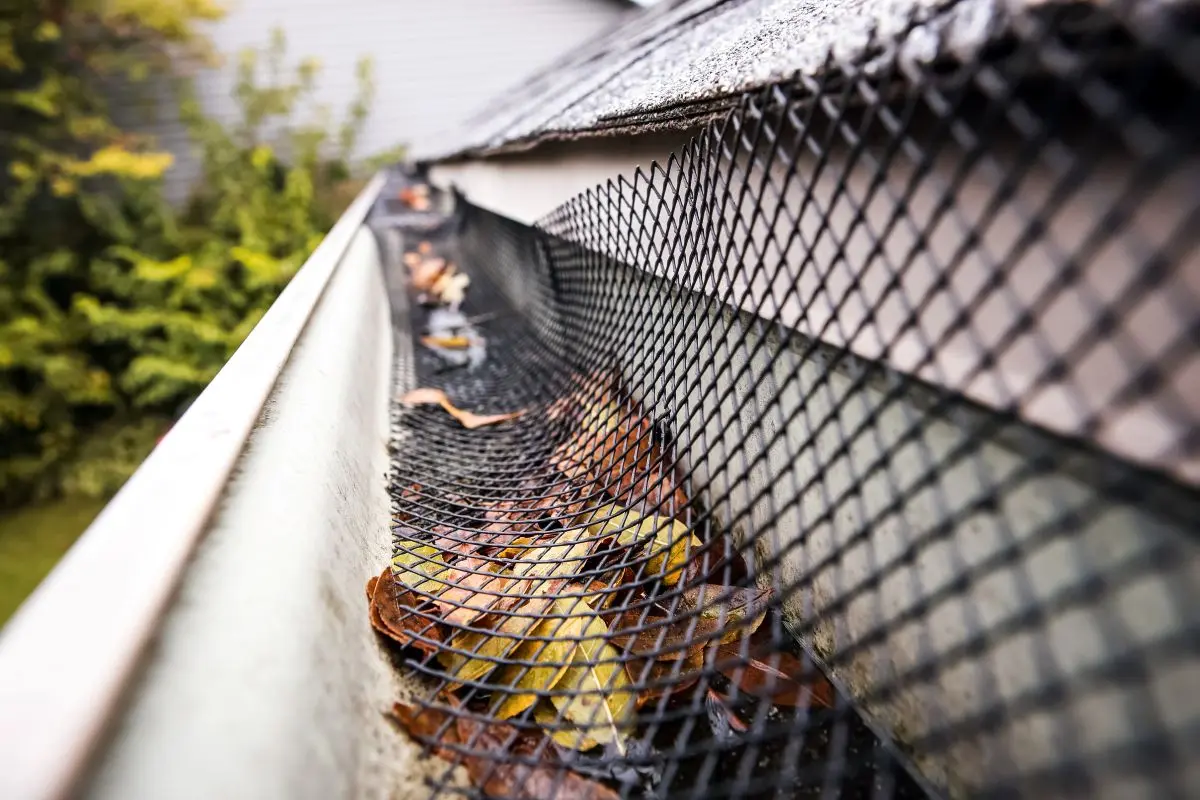
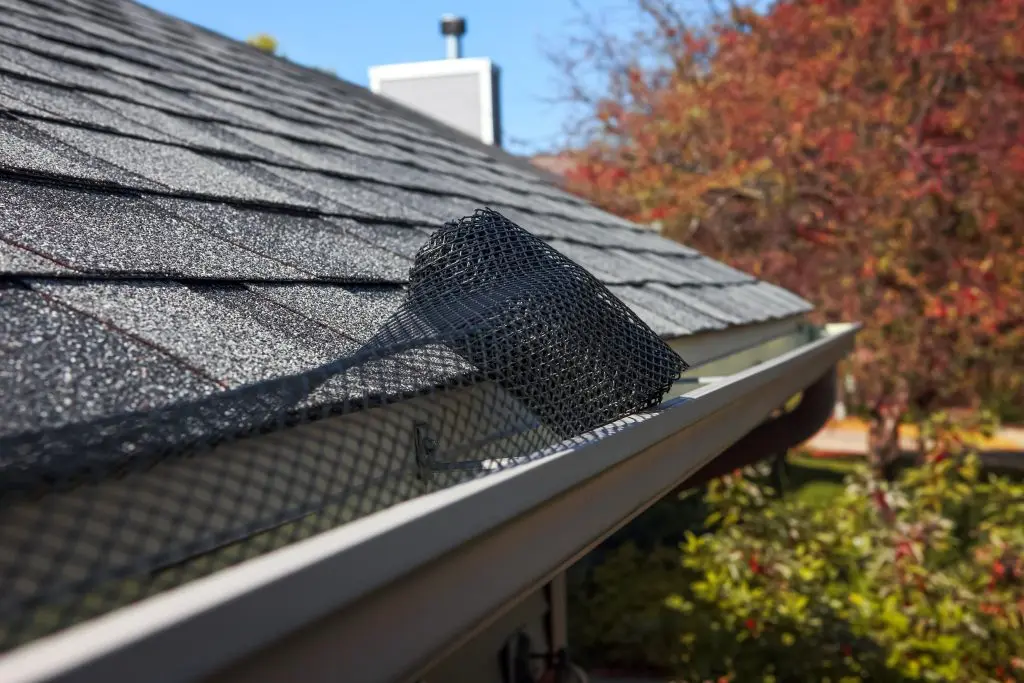
Micro-mesh guards are the top-performing gutter guard type in 2026 by a significant margin. A fine stainless steel mesh sits over an aluminum frame, filtering out debris as small as pine needles, shingle grit, and seed pods while allowing water to pass through freely. The mesh opening is small enough to block debris that every other guard type allows through, which is the fundamental reason micro-mesh consistently ranks first in independent testing.
For Northern California homeowners with oak trees, pine trees, or any significant debris load, micro-mesh leaf guard systems deliver the closest thing to minimal maintenance available in the gutter guard category. They also perform well in foothill communities that see occasional snow, as the solid frame supports weight without collapsing or allowing ice to bridge the opening and block flow. The tradeoff is cost. Professionally installed micro-mesh from brands like LeafFilter, Raptor, or Gutter Helmet runs $15 to $35 per linear foot. DIY stainless micro-mesh products like Raptor deliver comparable filtration performance at $1 to $4 per linear foot for homeowners comfortable on a ladder.
- Best for: Homes with heavy debris load, pine needles, seed pods, or shingle grit accumulation.
- Professional installed cost: $15 to $35 per linear foot.
- DIY cost: $1 to $4 per linear foot for stainless steel micro-mesh products.
- Limitation: Requires periodic top-surface cleaning when fine debris accumulates; in very heavy debris conditions, water can sheet over the top rather than entering the gutter.
2. Reverse Curve (Solid Surface)
Reverse curve guards, sometimes called surface-tension or helmet-style guards, use a solid curved surface that channels water into the gutter while leaves and debris slide off the edge to the ground below. There is no mesh to clog, which is the primary advantage. Heavy debris simply cannot enter the system. Performance under heavy rainfall is strong when the guard’s curve angle is matched to the roof pitch.
The limitation is fine debris. Seed pods, pine needles, and shingle grit can work their way into the gutter opening over time, and reverse curve guards are not effective against fine particulate. They also depend on correct pitch matching to work as designed, and in the Sacramento Valley’s intense summer heat, some plastic reverse curve products warp and lose their functional geometry. Aluminum construction is strongly preferred in Northern California’s climate.
- Best for: Homes with primarily large leaf debris and minimal fine debris load.
- Professional installed cost: $10 to $25 per linear foot.
- Limitation: Poor performance against pine needles and fine debris; pitch-dependent installation.
3. Perforated Aluminum
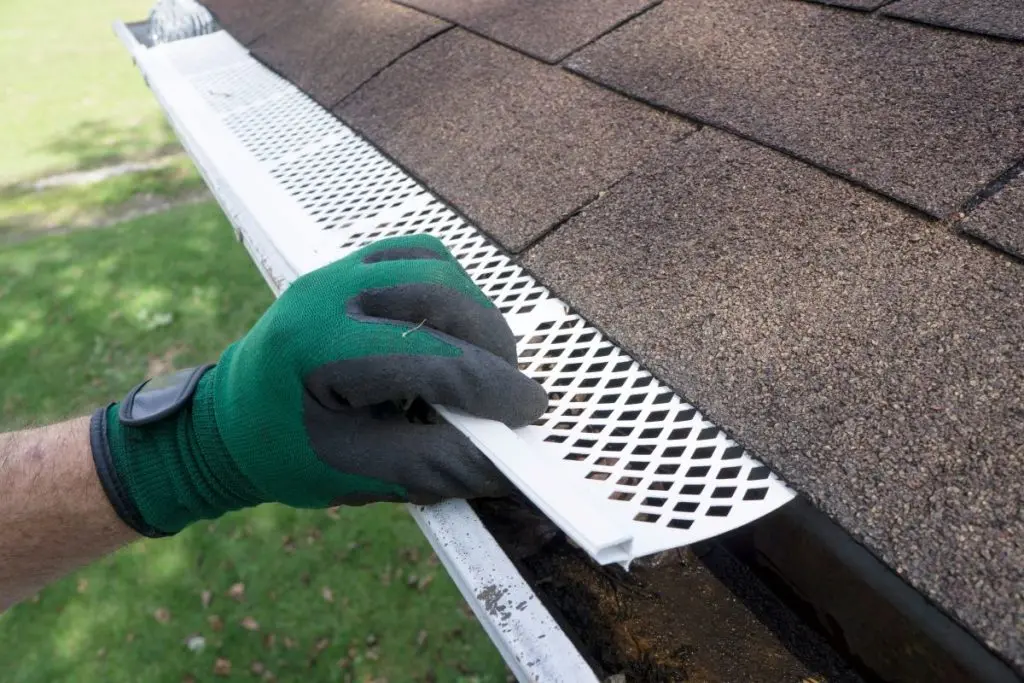
Perforated aluminum guards are punched metal panels that sit over the gutter opening, blocking large debris while allowing water to drain through the holes. They are more durable than plastic screen products, resist UV degradation and warping, and are available in profiles that fit most standard 5-inch and 6-inch K-style gutters. For homeowners with primarily broad leaf debris and a moderate budget, perforated aluminum represents a reasonable middle-ground option.
The hole size determines what passes through. Standard perforation patterns allow pine needles, seeds, and fine debris to enter the gutter, which means perforated aluminum does not eliminate gutter cleaning. It reduces the frequency and changes what needs to be cleaned out. In foothill communities near Sacramento where pine needle load is high, perforated aluminum is a compromise rather than a solution.
- Best for: Homes with primarily large leaves and minimal fine debris; budget-conscious installations that still want metal over plastic.
- Cost: $1 to $3 per linear foot DIY; $8 to $15 per linear foot professionally installed.
- Limitation: Pine needles and fine debris pass through standard perforation patterns.
4. Foam Inserts
Foam gutter guards are polyurethane foam blocks shaped to fit inside the gutter channel. Water flows through the porous foam while debris sits on top. They are inexpensive, require no tools to install, and can be cut to fit any gutter shape. The installation simplicity makes them attractive to homeowners looking for a fast DIY fix.
The performance record of foam guards in heavy debris environments is poor. Debris that accumulates on the foam surface composts into the foam over time, creating a medium for moss and plant growth directly inside the gutter. In Sacramento’s wet-dry seasonal cycle, foam guards that trap debris during dry months become problematic when the first rains arrive. The foam also degrades under UV exposure, typically requiring replacement every three to five years. Foam guards rank low because their limitations are fundamental to the design rather than brand-specific.
- Best for: Minimal debris environments and very short-term solutions.
- Cost: Under $1 per linear foot.
- Limitation: Debris composts into foam; UV degradation; moss and plant growth inside the gutter channel are common.
5. Brush Inserts
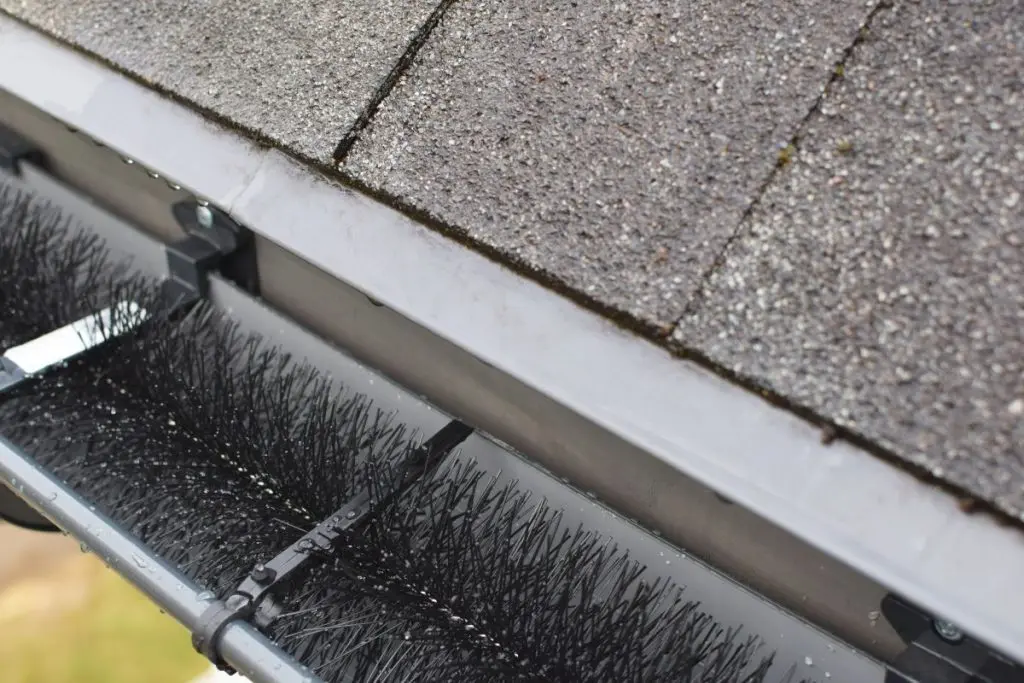
Brush gutter guards are cylindrical bristle units that sit inside the gutter. Large debris is caught on the bristles above the water flow path while water drains below. They handle larger leaves and twigs effectively in testing and are easy to remove, clean, and reinstall. Like foam, they require no tools and fit any gutter profile.
The problem is fine debris. Pine needles, seed pods, and small organic material work their way into the bristles and stay, becoming difficult to remove without pulling the brush entirely. In Sacramento Valley environments with pine needle load, brush guards require more maintenance than foam guards claim but deliver better large-debris performance. They sit above foam in the ranking because the large-debris handling is meaningfully better, but they remain a moderate-performance option.
- Best for: Homes with large leaf debris and no pine needle load; homeowners who want easy removal for cleaning.
- Cost: $2 to $4 per linear foot.
- Limitation: Fine debris embeds in bristles; requires annual brush removal and cleaning to maintain function.
6. Plastic Screen and Basic Mesh (Lowest Ranked)
Plastic screen guards are the lowest-cost, lowest-performance option. They are widely available, inexpensive, and degrade quickly under UV exposure. In Northern California’s summer UV environment, plastic screens that looked adequate at installation warp, crack, and lose their connection to the gutter within two to three seasons. They block large debris initially but allow fine debris through and do not maintain their structural integrity long enough to justify even their low cost on a per-year-of-service basis.
Basic fiberglass mesh guards share similar limitations. They block large debris but are susceptible to warping, fine debris passage, and UV degradation. Neither type ranks competitively against aluminum or stainless products in any performance category. If budget is the primary driver, aluminum micro-mesh in the DIY category at $1 to $4 per linear foot delivers dramatically better performance than plastic screen at comparable cost.
- Best for: Very short-term temporary use only.
- Cost: Under $1 per linear foot.
- Limitation: UV degradation, warping, fine debris passage, and short effective service life make this the category to avoid for any permanent installation.
Gutter Guard Cost Comparison at a Glance
| Type | DIY Cost/Linear Ft | Professional Cost/Linear Ft | Debris Performance |
| Micro-mesh (stainless) | $1 to $4 | $15 to $35 | Excellent |
| Reverse curve (aluminum) | $3 to $6 | $10 to $25 | Good (large debris) |
| Perforated aluminum | $1 to $3 | $8 to $15 | Moderate |
| Foam insert | Under $1 | $2 to $5 | Poor |
| Brush insert | $2 to $4 | $5 to $10 | Moderate |
| Plastic screen | Under $1 | $1 to $3 | Poor |
Frequently Asked Questions About Gutter Guards
These questions reflect what Northern California homeowners most often ask when evaluating gutter guard installation.
Do gutter guards eliminate cleaning entirely?
No. Every gutter guard type reduces cleaning frequency but does not eliminate it. Micro-mesh is the closest to low-maintenance, requiring top-surface cleaning when fine debris accumulates rather than full gutter cleaning. Annual inspection is recommended for all guard types regardless of how well they perform.
Should I install gutter guards myself or hire a professional?
For micro-mesh guards, DIY installation is viable for homeowners comfortable on a ladder, and the performance difference between DIY stainless micro-mesh and professionally installed brand-name systems is minimal at a fraction of the cost. Safety is the primary consideration for any gutter work above one story. Ladder stability, roof edge proximity, and debris weight all create real fall risk, and professional installation makes sense for any homeowner who is not confident with ladder work at height. For reverse curve and perforated aluminum systems that require specific pitch matching or fascia attachment, professional installation also produces better long-term results.
Are gutter guards worth it in Northern California?
For homes with significant tree cover, yes. Sacramento Valley oak and pine debris loads are heavy enough that guards meaningfully reduce cleaning frequency and prevent the gutter blockages that lead to overflow, fascia damage, and foundation problems. For homes with minimal tree cover, the payback period for higher-end guards is longer, and the investment is more optional.
Spartan Home Services Installs and Services Gutters Across Northern California
Spartan Home Services handles gutter installation, guard installation, and gutter maintenance for homeowners across the Sacramento and Fairfield service areas. Get in touch with our team and we will assess your gutter system and recommend the right guard type for your specific debris load, roof profile, and budget before any work is proposed.