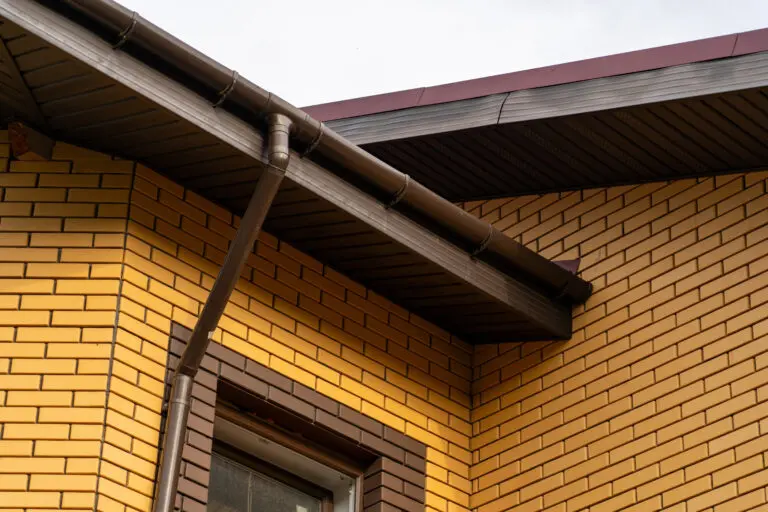


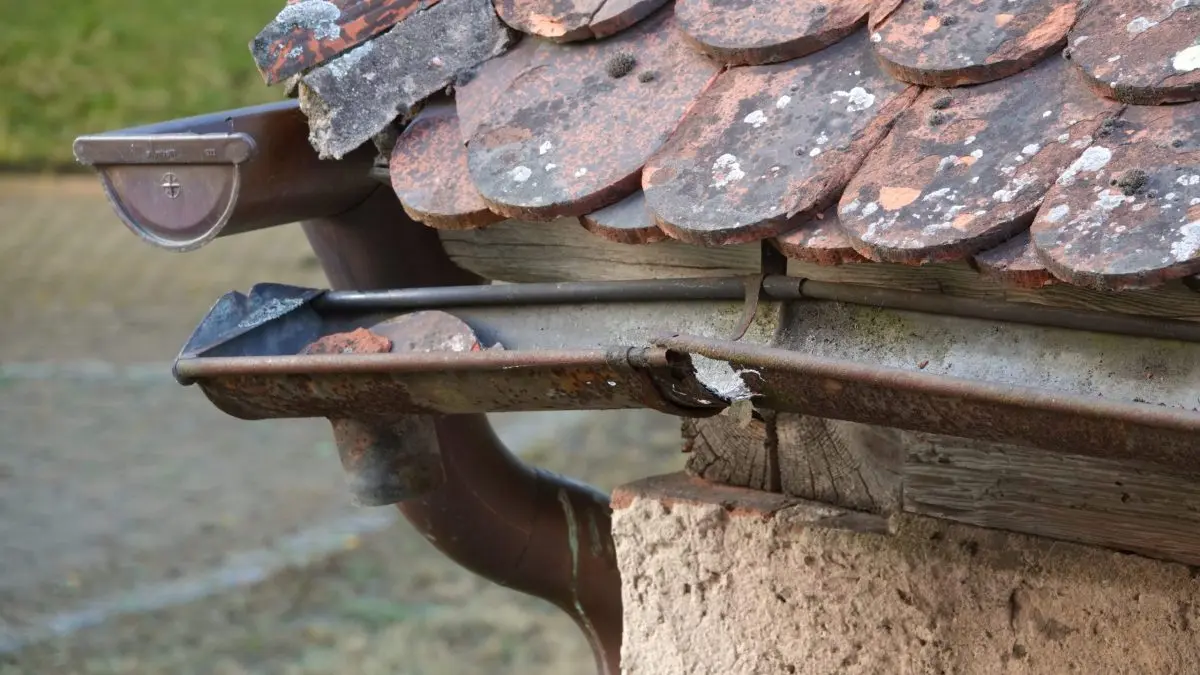
Gutters are one of the most overlooked systems on a home right up until they fail. Most homeowners never think about them when they are working properly, and by the time the warning signs of need new gutters are visible, secondary damage to the fascia, siding, foundation, or roofline is often already underway. A gutter system that is failing is not just a gutter problem. It is a water management problem that affects every part of the home’s exterior. Catching the signs early is consistently cheaper than addressing the downstream consequences. If you want to understand Spartan’s approach to gutters as part of a complete roofing system, that context is useful before evaluating replacement options.
This blog covers:
- The 9 most reliable warning signs that gutters need replacement rather than repair
- What causes each failure mode and what it means for the rest of the home
- How to distinguish a repairable issue from one that warrants full replacement
- What Northern California homeowners should know about gutter performance during the rainy season
We’re proud to serve homeowners in El Dorado Hills, CA, and nearby communities with gutter and roofing services and more.
Why Gutter Replacement Timing Matters
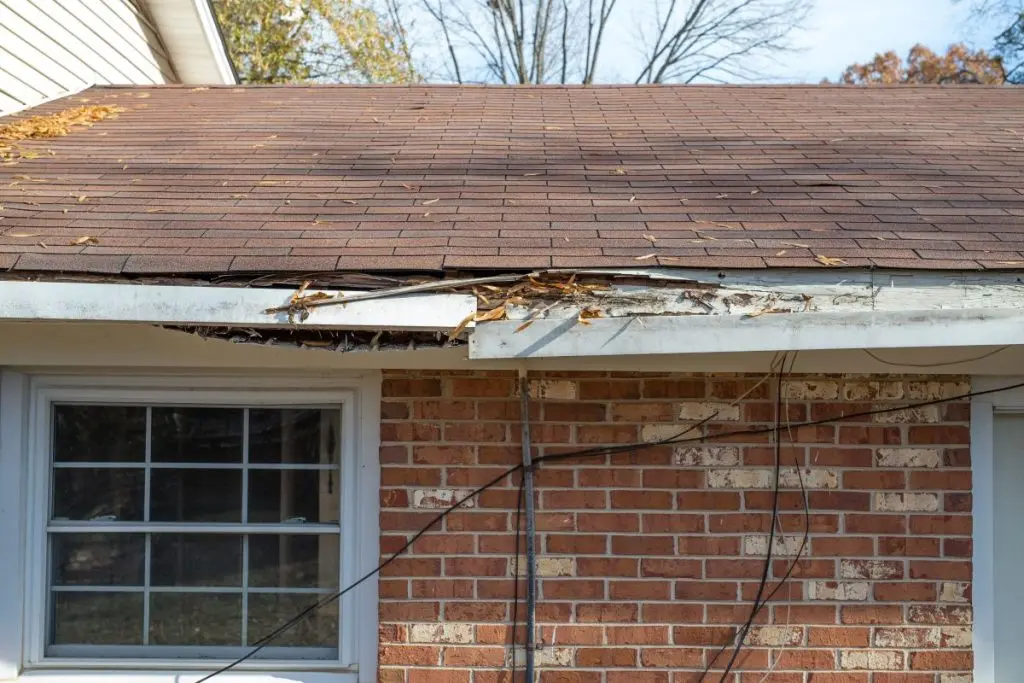
Delaying gutter replacement when the signs are present is one of the more costly home maintenance decisions a homeowner can make. Water that escapes a failing gutter system does not disappear. It runs down the siding, pools against the foundation, saturates the soil, and eventually finds its way into the structure. According to Angi, the average cost for a full gutter replacement runs approximately $1,900. The foundation repairs, fascia replacement, and water damage remediation that result from ignored failing gutters consistently cost many times that figure. Acting at the first signs of gutter failure is the financially correct move in almost every case.
9 Warning Signs You Need New Gutters
The nine signs below range from obvious to easy-to-miss. Some indicate a gutter that can be repaired. Others indicate a system that has reached the end of its useful life and needs full replacement. Context matters: multiple signs present simultaneously almost always point toward replacement rather than repair.
1. Sagging or Pulling Away From the Fascia
Gutters that are sagging in the middle or pulling away from the fascia board have lost their structural integrity. The most common cause is accumulated debris and standing water adding weight beyond what the hangers were designed to support. Prolonged overloading bends the hangers, which pulls the gutter section away from the fascia and breaks the seal at the roofline.
- Repair candidate: Single-section sag with intact fascia and functioning hangers that can be repositioned.
- Replacement indicator: Multiple sections pulling away, damaged fascia, or gutter material that has bent beyond repositioning.
2. Cracks, Fractures, or Holes
Small cracks in a gutter section allow water to escape before it reaches the downspout. In dry weather, these may not be visible from the ground. During rain, the telltale sign is water dripping or streaming from the gutter body rather than flowing only from the downspout. Minor cracks can be sealed with gutter sealant as a short-term fix, but cracks that have opened wide enough to allow visible flow, or that appear across multiple sections, indicate a gutter that is past repair.
Northern California’s rainy season concentrates gutter stress into a few months of heavy use. A system that cracked during last winter’s rains will be worse by next season, and water escaping through cracks runs directly down the fascia and siding rather than being channeled away from the structure.
- Repair candidate: Single hairline crack in an otherwise sound gutter section, recently formed.
- Replacement indicator: Multiple cracks, wide fractures, holes from rust-through, or cracking across multiple sections.
3. Rust Spots and Orange Staining
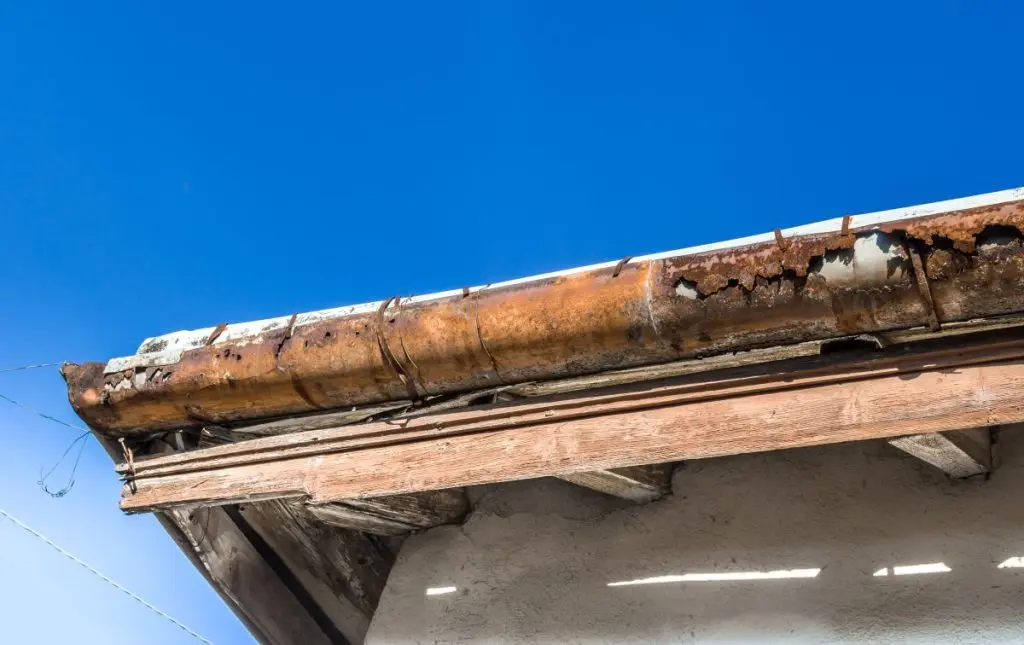
Orange staining on the outside of a metal gutter or on the surface below the gutter indicates rust, which means the protective coating has failed and the metal is oxidizing. Once rust establishes in a gutter section, it progresses and cannot be reliably reversed. A rust spot that looks minor from the ground often indicates deeper corrosion than is visible externally.
Rust accelerates during California’s rainy season when gutters hold standing water in sections with poor drainage or slope. If a gutter has visible rust staining and is more than 10 to 15 years old, the cost of sealing individual rust spots rarely extends the useful life enough to justify the effort. Full replacement with aluminum or seamless gutters, which do not rust, is the more durable solution.
- Repair candidate: Single isolated rust spot on a newer gutter system with no standing water issues.
- Replacement indicator: Multiple rust spots, orange staining along multiple sections, gutter age beyond 15 years.
4. Peeling Paint or Staining on Siding and Fascia
Paint that is peeling, bubbling, or staining below the gutter line is a strong indicator of chronic water escape. When gutters are working correctly, water flows only through the downspouts and away from the structure. When they are not, water overflows or leaks through cracks and runs repeatedly over the same sections of siding and fascia, stripping paint and saturating wood.
- What to look for: Vertical water streaks below the gutter body, peeling paint along the roofline, dark staining on fascia boards.
- Replacement indicator: Peeling across multiple elevations, fascia boards that have absorbed water and begun to soften or darken.
5. Standing Water or Mildew Near the Foundation
Pooling water against the foundation after rainfall is one of the most serious gutter failure consequences. The gutter system’s primary function is to move water away from the structure. When it fails at that function, water saturates the soil directly adjacent to the foundation, creates hydrostatic pressure against foundation walls, and in the Sacramento Valley’s clay-heavy soils, can cause expansion and cracking that costs tens of thousands of dollars to address.
- What to look for: Soggy soil next to the foundation after rain, mildew or staining at ground level, erosion channels in landscaping running toward the house.
- Replacement indicator: Any consistent pooling near the foundation warrants immediate gutter inspection and likely replacement.
6. Gutters Overflowing During Moderate Rain
Gutters that overflow during a moderate rainfall event, not an unusual downpour, are either clogged, improperly sloped, or undersized for the roof area they serve. If cleaning produces no improvement, the issue is slope or sizing. A gutter that consistently cannot handle normal rainfall is not functioning as a system regardless of its visual condition and needs to be replaced with correctly sized and sloped components.
In El Dorado Hills and Sacramento foothills communities, where oak trees contribute heavily to leaf debris, overflow from clogging is common and often seasonal. Persistent overflow despite regular cleaning, or overflow from sections that do not correspond to obvious clog locations, indicates a system problem rather than a maintenance problem.
- Repair candidate: Overflow caused by identifiable clog locations that respond to cleaning.
- Replacement indicator: Overflow from multiple locations despite clean gutters, or consistent overflow from sections with adequate slope that suggests undersizing.
7. Separating Seams
Sectional gutters are joined at seams, and those seams are common failure points as the sealant ages and the gutter material expands and contracts through seasonal temperature cycles. A separated seam allows water to escape at the joint rather than continuing to the downspout. Seams can be resealed with gutter sealant as a repair, but a system where seams are separating in multiple locations has reached the point where ongoing repair is no longer cost-effective compared to seamless replacement.
- Repair candidate: Single seam separation in a newer sectional gutter system.
- Replacement indicator: Multiple separating seams, repeated failures at previously repaired seam locations, gutter age beyond 15 years.
8. Visible Plant Growth in the Gutters
Weeds, moss, or seedlings growing from the gutter channel indicate that debris has accumulated to the point of supporting plant life, which means organic material has been sitting in the gutter long enough to decompose and create a growing medium. Plants rooting in a gutter system add weight, retain moisture, and accelerate both corrosion and structural failure of the gutter and fascia below.
- What to look for: Visible greenery from ground level, moss along the gutter edges, seedlings at downspout connections.
- Replacement indicator: Plant growth combined with rust, rot, or structural damage to the gutter or fascia.
9. Gutters That Are More Than 20 Years Old
Age alone is a meaningful indicator for metal gutters. Standard painted aluminum gutters have a rated lifespan of 20 years. Galvanized steel gutters carry a similar lifespan before rust becomes a systemic problem. A gutter system that is more than 20 years old is approaching or past the end of its designed service life regardless of how it looks during a dry-weather inspection. Rain season stress reveals age-related weaknesses that are not visible in dry conditions.
For homeowners who do not know the age of their gutter system, fascia board condition is a useful proxy. Fascia that has darkened, softened, or shows signs of moisture absorption suggests that the gutters have been failing for a period of time, even if the gutter material itself appears intact from the ground.
- What to confirm: Approximate installation date from home purchase records or previous permits.
- Replacement indicator: System age beyond 20 years combined with any one additional warning sign from the list above.
Repair vs. Replace: How to Decide

A single warning sign in an otherwise sound, younger gutter system usually warrants repair. Multiple warning signs, age beyond 15 to 20 years, or any damage that has reached the fascia, siding, or foundation points toward full replacement. Seamless aluminum gutters are the most widely recommended replacement option for Northern California homes, offering corrosion resistance, no interior seams, and a 20 to 30 year service life when properly installed and maintained.
Frequently Asked Questions About Gutter Replacement
These questions reflect what homeowners most often ask when evaluating whether their gutters need repair or full replacement.
How long do gutters typically last?
Standard painted aluminum gutters last 20 years on average. Galvanized steel runs 10 to 15 years before rust becomes a consistent issue. Copper gutters can last 50 years or more. Seamless aluminum gutters in Northern California’s climate, cleaned twice yearly and inspected annually, consistently reach the 20 to 25 year range before replacement becomes necessary.
What causes gutters to fail faster than expected?
Infrequent cleaning is the most common accelerator. Debris that sits in the gutter channel retains moisture, accelerates corrosion, adds weight, and prevents proper drainage. In El Dorado Hills and Sacramento foothills communities with heavy oak and pine canopy, seasonal cleaning in fall and spring is the minimum maintenance frequency for a system to reach its rated lifespan.
Do gutter guards eliminate the need for cleaning?
No. Gutter guards reduce the frequency of cleaning and prevent large debris from entering the channel, but they do not eliminate the need for periodic inspection and maintenance. Fine debris, shingle granules, and small organic material can still accumulate in the channel or on top of the guard, and guards should be lifted and inspected at least once annually.
Spartan Home Services Installs and Inspects Gutters Across Northern California
Spartan Home Services handles gutter installation, replacement, and inspection across the Sacramento and Fairfield service areas as part of a complete home exterior maintenance offering. Request your free assessment, and we will evaluate your gutter system and tell you honestly whether repair or replacement makes more sense for your specific home.