


If you own or manage a building with a flat or low-slope roof, what is tpo roofing is a question worth understanding before your next replacement decision. TPO, short for thermoplastic polyolefin, is a single-ply roofing membrane that has become the dominant choice for flat and low-slope applications across North America. It’s not hard to see why: TPO balances cost, energy performance, durability, and installation flexibility in a way that competing flat roof systems struggle to match across all four categories simultaneously. If you’re exploring roofing options and want to understand what a professionally installed roofing system looks like before making any decisions, that’s a good place to start.
This blog covers:
- What TPO roofing is and how it’s constructed
- How TPO compares to EPDM, PVC, and modified bitumen
- The six reasons TPO dominates the flat roofing market
- What TPO costs and how long it lasts
- What to look for in a TPO installation
We’re proud to serve homeowners and business owners in Lincoln, CA, and nearby communities with residential and commercial roofing services and more.
What Is TPO Roofing and How Does It Work

TPO is a single-ply membrane roofing system composed of thermoplastic polyolefin, a blend of ethylene-propylene rubber and polypropylene. The membrane is manufactured in large rolls and installed across a flat or low-slope roof deck in overlapping sheets, with seams heat-welded together using hot air equipment to create a continuous, watertight surface. That heat-welded seam is one of TPO’s defining structural advantages over systems that rely on adhesive tape or cold-applied bonding agents.
TPO membranes are available in thicknesses ranging from 45 mil to 80 mil, and that thickness choice has a significant impact on long-term performance. An 80 mil membrane will outlast a 45 mil membrane by five to ten years in equivalent conditions, resist UV degradation more effectively, and carry stronger manufacturer warranties. A properly installed and maintained TPO roof can last 20 to 30 years depending on membrane thickness, installation quality, and climate exposure.
6 Reasons TPO Dominates Flat Roofs
According to NRCA reporting data from 2024 to 2026, TPO accounts for 58 percent of new commercial flat roof installations in North America, with EPDM in second place at 18 percent and every other system significantly behind. That dominance reflects consistent advantages across the factors that matter most to building owners and roofing professionals. Here is why TPO has reached that position and why it continues to hold it.
1. Energy Efficiency in Hot Climates
White TPO membranes carry high solar reflectance ratings and meet ENERGY STAR and Cool Roof Rating Council standards. In Northern California’s climate, where commercial buildings with flat roofs absorb significant solar heat through summer, a reflective TPO surface can meaningfully reduce cooling loads and lower energy costs over the building’s operating life. This energy performance advantage is most pronounced in high-UV, high-heat environments, which describes the Sacramento Valley and surrounding region accurately.
- Solar reflectance: White TPO reflects a high percentage of solar radiation that dark membranes absorb, reducing heat transfer into the building.
- ENERGY STAR compliance: Many TPO products meet ENERGY STAR certification standards, which can qualify buildings for utility rebates and energy efficiency incentives.
- Long-term savings: Reduced cooling loads across a 20 to 30 year roof lifespan represent meaningful operational savings for commercial property owners.
2. Cost Competitiveness
Installed TPO costs typically range from $7 to $12 per square foot depending on membrane thickness, installation method, and regional labor rates. That positions TPO at a competitive price point relative to PVC, which typically runs $9 to $15 per square foot, while delivering comparable seam strength and similar longevity when installed correctly. Compared to modified bitumen systems, TPO offers better energy performance and heat-welded seam integrity at a similar or marginally higher installed cost.
- vs. PVC: TPO delivers comparable performance at a lower installed cost in most applications that don’t require chemical resistance.
- vs. EPDM: TPO typically costs more than EPDM at installation but offsets that difference through energy savings over the roof’s life.
- vs. modified bitumen: TPO offers a single-ply system with heat-welded seams that outlast the adhesive bonding used in most modified bitumen applications.
3. Heat-Welded Seam Strength
The seams are the most vulnerable part of any flat roofing system. TPO seams are heat-welded using hot air equipment, which fuses the membrane sheets together at the molecular level rather than bonding them with adhesive tape or cold-process compounds. A properly executed TPO weld is actually stronger than the membrane itself, meaning a correctly installed seam will outlast the field membrane around it. This is the primary reason experienced roofing contractors consistently cite seam quality as the most important variable in TPO installation performance.
- Weld integrity: Heat welding creates a bond stronger than the membrane material itself when executed correctly with properly calibrated equipment.
- Failure risk: Improperly welded seams can fail within five to ten years regardless of membrane thickness, making installer experience and equipment quality critical selection factors.
- Inspection access: Seam probing during and after installation is standard practice for experienced TPO installers and should be requested as a quality checkpoint.
4. Resistance to UV, Chemicals, and Punctures
TPO membranes resist UV radiation, ozone, and a range of chemicals that degrade other roofing systems over time. This chemical resistance makes TPO appropriate for commercial buildings where rooftop equipment, exhaust systems, or HVAC condensate may come into contact with the membrane surface. Puncture resistance improves with membrane thickness, with 80 mil membranes providing significantly better protection against foot traffic damage and dropped tools than 45 mil products in high-activity rooftop environments.
- UV resistance: TPO’s formulation resists the UV-driven oxidation that causes premature aging in asphalt-based systems.
- Chemical tolerance: TPO handles rooftop chemical exposure better than EPDM and performs comparably to PVC in most non-extreme chemical environments.
- Puncture protection: Thicker membranes resist mechanical damage from rooftop foot traffic, equipment installation, and maintenance activity.
5. Installation Flexibility

TPO can be installed using three methods: mechanically attached, fully adhered, or ballasted. Each method carries different cost, performance, and application suitability characteristics that an experienced installer matches to the specific roof structure and project conditions. Mechanically attached systems are faster and less expensive to install. Fully adhered systems provide superior wind uplift resistance for buildings in high-wind exposure zones. Ballasted systems use weight to secure the membrane and work well on certain structural types but add load that must be accounted for in the building’s design.
- Mechanically attached: Fastest and most cost-effective installation method, appropriate for most standard commercial applications.
- Fully adhered: Highest wind uplift resistance, preferred for buildings in exposed locations or with specific insurance requirements.
- Ballasted: Works on appropriate structural types and adds protection from UV through coverage, but requires verification of structural load capacity before installation.
6. Strong Manufacturer Warranty Programs
Major TPO manufacturers including Carlisle SynTec, GAF EverGuard, Firestone, and Johns Manville offer warranty programs that include No Dollar Limit coverage tiers for installations completed by certified contractors. These warranties cover both material defects and, in some programs, labor costs for warranted repairs. Warranty terms range from 10 to 30 years depending on the membrane thickness and program tier selected. A 30-year NDL warranty on an 80 mil system represents meaningful long-term financial protection for building owners who plan to hold the property through multiple budget cycles.
- NDL coverage: No Dollar Limit warranty tiers cap the manufacturer’s exposure rather than the building owner’s, providing stronger protection than standard dollar-limited programs.
- Certification requirements: The strongest warranty tiers require installation by certified contractors, making installer credentials directly relevant to the warranty coverage a building owner can access.
- Thickness correlation: Warranty term and coverage tier typically increase with membrane thickness, making the upgrade from 45 mil to 60 or 80 mil a warranty decision as much as a performance one.
TPO vs. Other Flat Roofing Systems
The table below compares TPO to the four other major flat roofing systems across the metrics that matter most for building owners making a replacement decision.
| System | Typical Lifespan | Installed Cost | Seam Type | Energy Performance |
| TPO | 20 to 30 years | $7 to $12/sq ft | Heat welded | High reflectance |
| EPDM | 25 to 30 years | $5 to $9/sq ft | Tape or adhesive | Low reflectance (black) |
| PVC | 25 to 30 years | $9 to $15/sq ft | Heat welded | High reflectance |
| Modified bitumen | 15 to 25 years | $6 to $11/sq ft | Torch or adhesive | Low to moderate |
| BUR | 20 to 30 years | $5 to $10/sq ft | Multi-ply asphalt | Low reflectance |
Frequently Asked Questions About TPO Roofing
Building owners and homeowners with flat roof sections consistently have the same questions when they start evaluating TPO. The answers below address the most practical ones.
How long does a TPO roof last?
A properly installed TPO roof using 60 or 80 mil membrane lasts 20 to 30 years under normal conditions. Membrane thickness, installation quality, and climate exposure are the primary variables. In Northern California’s high-UV, high-heat environment, specifying a thicker membrane and ensuring proper installation from a certified contractor is the most direct way to push lifespan toward the upper end of that range.
What causes TPO roofs to fail early?
The most common causes of premature failure are improperly welded seams, ponding water that sits on the membrane longer than 48 hours, and flashing failures at penetrations and wall terminations. Ponding water is excluded from most manufacturer warranties, which means proper drainage design is a critical part of every TPO installation rather than an afterthought.
Is TPO appropriate for residential flat roofs?
TPO is used on residential flat roof sections, but it’s less common in residential applications than in commercial. EPDM and modified bitumen are more frequently installed on residential flat roofs because they can be applied with hand tools rather than requiring the hot air welding equipment that TPO seams demand. For larger residential flat sections or properties where energy performance is a priority, TPO is a legitimate and effective option.
How does TPO compare to PVC?
Both are heat-welded single-ply membranes with strong seam integrity and good energy performance. PVC offers superior chemical resistance and is preferred in food service or chemical storage applications where rooftop chemical exposure is a concern. TPO costs less at installation in most standard commercial applications and delivers comparable performance for buildings without significant chemical exposure. The right choice depends on the specific application conditions rather than a universal preference for one over the other.
Spartan Home Services Installs Commercial and Residential Roofing Right
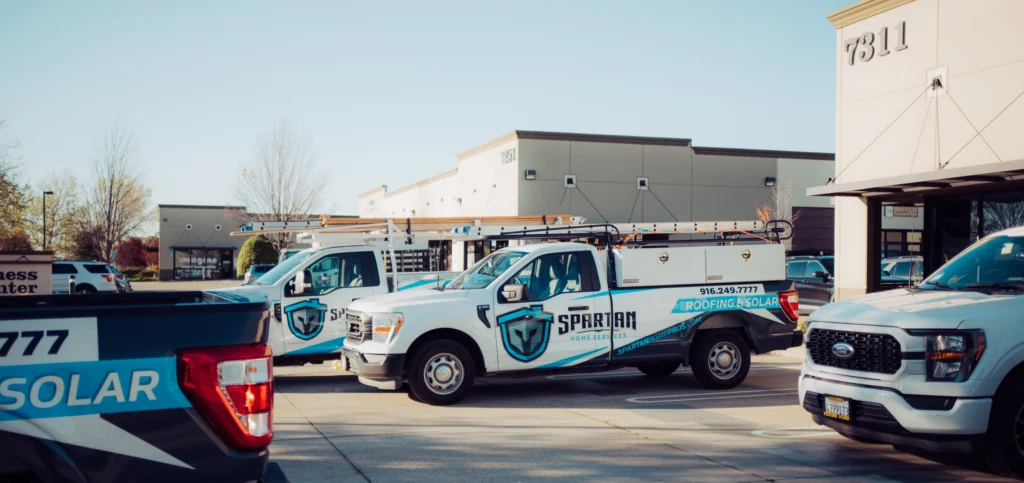
Whether your flat roof needs TPO, tile, asphalt shingles, or a combined roofing and solar project, Spartan Home Services brings the same standard of installation and accountability to every job across the Sacramento and Fairfield service areas. GAF Master Elite certified and backed by a dedicated concierge model that keeps one person responsible for your project from start to finish, we handle roofing the way it should be handled. When you’re ready to talk through what your roof actually needs, reach out to our team and we’ll give you a straight answer before you commit to anything.
Recent Articles Posts

Commercial Roof Inspection: 8 Steps Crews Follow
A commercial roof inspection is not a casual walk across a flat roof with a flashlight. It is a structured process designed to document…
Commercial Roof Coatings: 5 Types and When to Use Each One
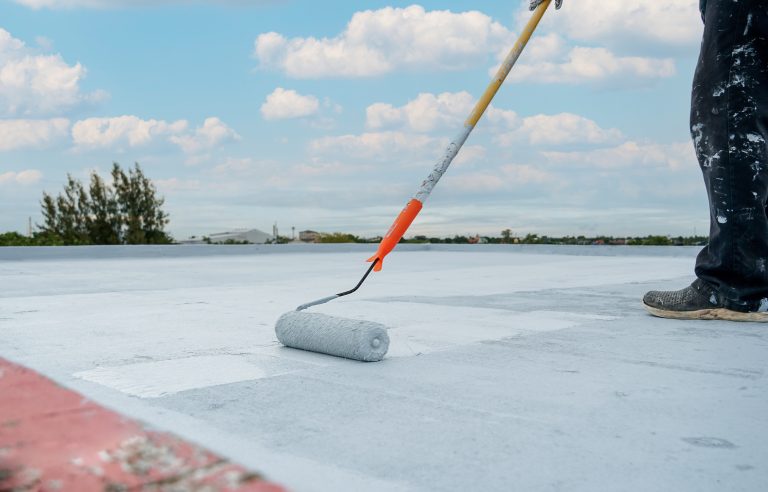
Commercial roof coatings are one of the most cost-effective tools available to building owners and property managers for extending roof life, reducing energy costs,…

Make Your Home Exterior Spartan Strong!
Strong homes start with a team that does the job right.