

Homeowners with open land often ask whether ground mounted solar panels make more sense than rooftop solar panels. The short answer is that a ground mounted solar system gives you more control over placement and keeps the array off your roof, but it costs more, takes up yard space, and needs more permitting and site work. Whether the trade-off pays off depends on your roof, your lot, and how much power you need to produce. If you want to see the ground-mounted and roof-mounted solar systems Spartan installs, that is worth reviewing before you request quotes.
This blog covers:
- How ground mounted solar panels work and what they require
- The 8 pros and cons compared with a roof mount
- How the costs stack up against rooftop systems
- When a ground mount is worth it and when it is not
We’re proud to serve homeowners in Woodland, CA, and nearby communities with solar installation and roofing services and more.
How Ground Mounted Solar Panels Work
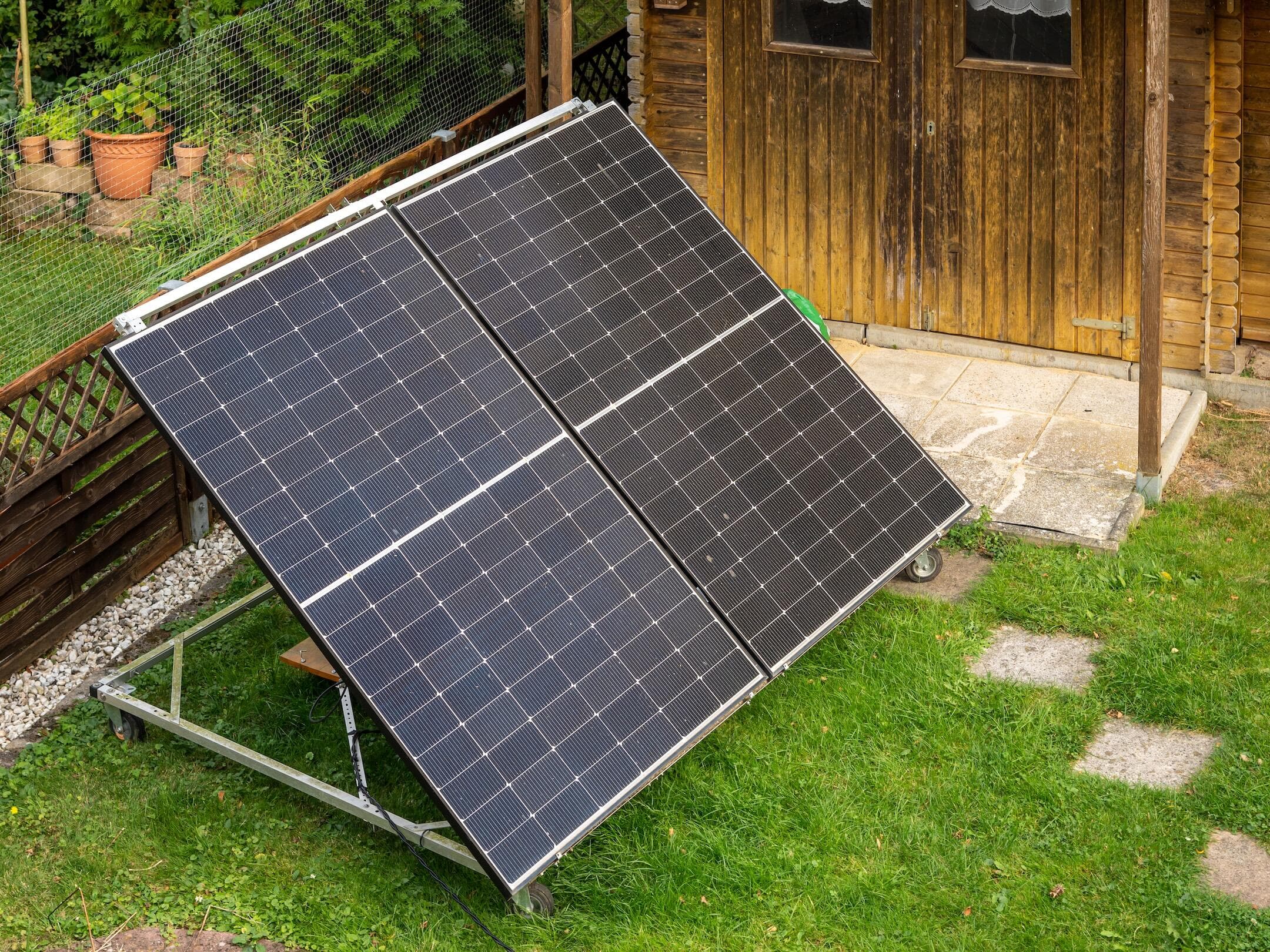
Ground mounted panels are the same panels used in other solar systems, with the same inverter and monitoring. The difference is the racking. Instead of bolting rails to the roof, installers set the array on a steel frame anchored to concrete footings or driven posts in the yard. A trench carries the electrical conduit from the array back to the home’s main service panel, where the converted power feeds household circuits.
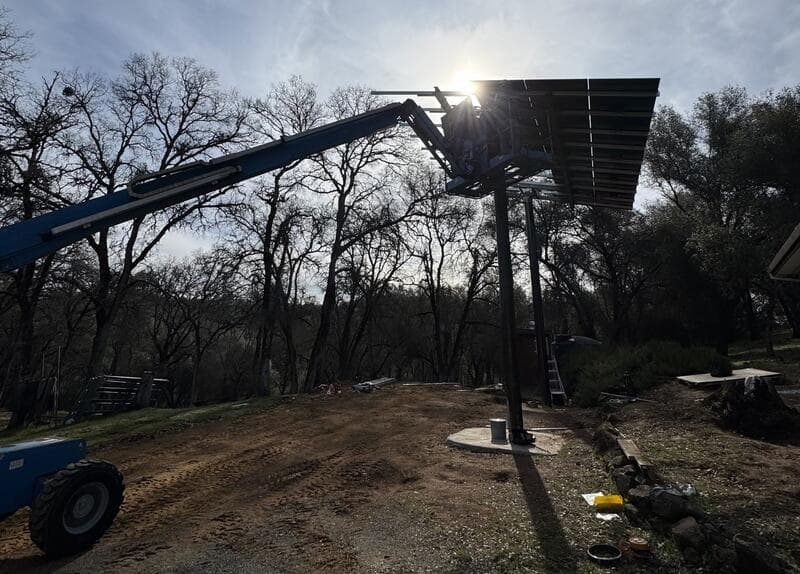
Ground mounts come in a few styles. A fixed-tilt rack holds the panels at one angle year-round and is the most common and least expensive. Pole mounted solar systems lift the panels higher off the ground on a single support. A tracking mount follows the sun across the sky for more production, at a higher cost and with more moving parts to maintain.
Ground Mount vs. Roof Mount at a Glance
The core trade-off is cost against flexibility. According to EnergySage, ground-mounted solar panel systems usually cost about 20% more than rooftop solar. Other estimates put the premium closer to 10% to 15%, and the difference comes from the extra steel, concrete, trenching, and labor a ground mount requires. The table below summarizes how the two approaches compare.
| Factor | Ground Mount | Roof Mount |
| Upfront cost | Higher | Lower |
| Panel orientation | Fully adjustable | Limited by roof |
| Space needed | Open yard area | Roof area |
| Maintenance access | Easy | Harder |
| Roof impact | None | Penetrations in roofing |
| Permitting | More complex | Simpler |
8 Pros and Cons of Ground Mounted Solar Panels
Four advantages and four drawbacks follow. Which ones matter depends on your property, so weigh each against your own situation rather than counting the totals.
1. Pro: Better Orientation and Tilt
A roof dictates which way the panels face and how steeply they tilt. A ground mount does not. Installers can aim the array directly at the sun at the best angle for your latitude, and they can place it away from shade. That flexibility can raise production compared with a roof that faces the wrong direction or sits under trees.
- Optimal angle: Panels can be set to the ideal tilt and compass direction for the site.
- Shade avoidance: The array can be placed in the sunniest part of the lot.
2. Pro: No Roof Penetrations or Roof-Age Worries
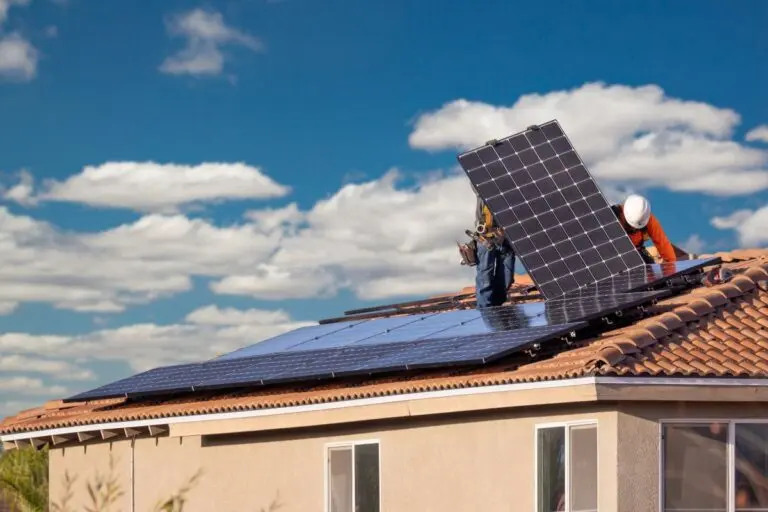
A rooftop system punches mounting points through the roofing, and it ties the solar array to the roof’s remaining life. If the roof needs replacement mid-lifespan, the panels have to come off and go back on. A ground mount avoids both issues, which makes it a practical choice for homes with old, complex, or shaded roofs.
- Roof protection: Nothing attaches to the roofing system.
- No detach-and-reset: A future roof replacement does not involve the solar array.
3. Pro: Easier Access for Cleaning and Maintenance
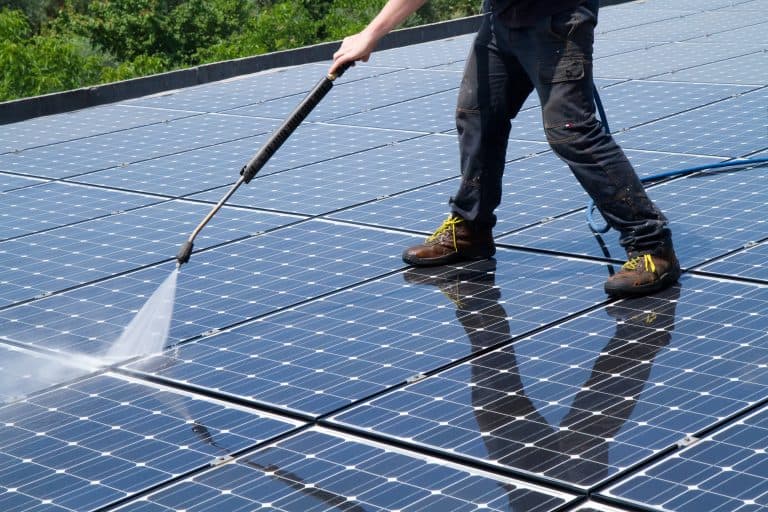
Panels at ground level are far easier to inspect, clean, and service than panels on a roof. That matters in the Sacramento Valley, where dry-season dust, pollen, and wildfire smoke settle on the glass. It also means fewer ladder-and-roof safety concerns when something needs attention.
- Simple cleaning: A hose and soft brush reach the panels from the ground.
- Faster service: Technicians can reach the equipment without roof access.
4. Pro: Room to Scale Up
If your home uses more electricity than the roof can produce, a ground mount can hold a larger system. It also leaves room to add panels later if you add an electric vehicle, a pool, or a battery system. Rooftop arrays are capped by the usable roof area.
- Larger capacity: Not limited by roof size or layout.
- Expandability: Space can be reserved for future additions.
5. Con: Higher Upfront Cost
Ground mounts need steel framing, footings, trenching, and more labor, which pushes the price above a comparable rooftop system. The premium can narrow if better placement lets you install fewer panels for the same output, but expect to pay more in most cases. Because the federal residential tax credit expired at the end of 2025, the financing structure you choose has a bigger effect on the real cost.
- Material and labor: More steel, concrete, and installation time.
- Financing matters: Compare financed, owned, and power purchase options before deciding.
6. Con: It Uses Yard Space and Is More Visible
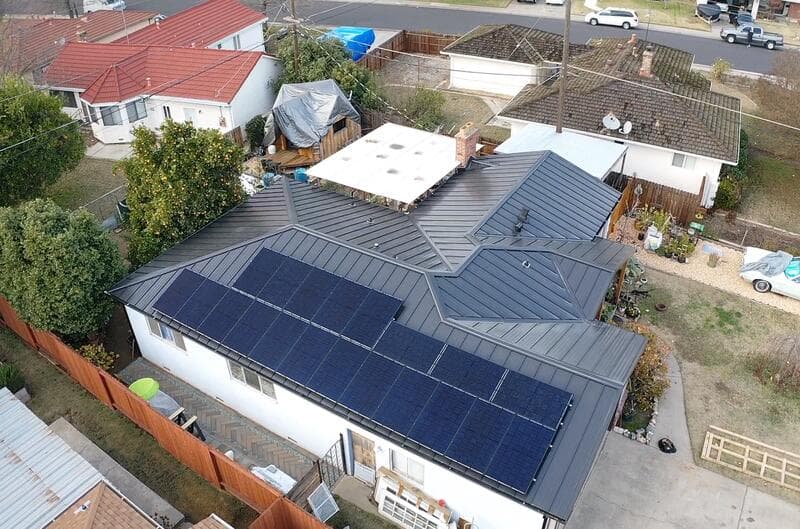
A ground-mounted array occupies part of the lot and sits in plain view. That is a problem on small properties, and it may bother neighbors or violate HOA guidelines. It also takes space that could hold a garden, a pool, or future structures.
- Land use: Requires open, flat or gradable ground.
- Appearance: More visible from the street and from neighboring properties.
7. Con: Trenching and Longer Wire Runs
The array has to connect to the house, which means trenching conduit across the yard. Longer wire runs add cost, and the route has to avoid sprinklers, drainage, utilities, and trees. The farther the array sits from the main panel, the higher the cost and the greater the voltage loss to account for in the design.
- Site work: Trenching and conduit add labor and restoration.
- Distance matters: The longer the run, the more wire and the higher the cost.
8. Con: More Permitting and Zoning Questions
Ground-mounted arrays are treated as structures in many jurisdictions. Setbacks, height limits, lot coverage, and HOA review can all apply, and the rules vary by city and county. This can add time to the project before any work begins, so confirm the requirements with the local building department early.
- Local rules: Setbacks and height limits differ across jurisdictions.
- HOA review: Many communities require design approval before installation.
Is Ground Mounted Solar Worth It?
For most homeowners, a roof mount remains the simpler and cheaper choice if the roof is in good shape, faces the right direction, and has enough room. A ground mount earns its premium in specific situations.
- A ground mount usually makes sense when: The roof is shaded, poorly oriented, or near the end of its life, the system needs to be larger than the roof allows, or you have ample open land that is not otherwise useful.
- A roof mount usually makes sense when: The roof is sound, the lot is small, the budget is tight, or HOA and zoning rules make a ground array difficult.
Spartan Home Services installs both ground-mounted and roof-mounted solar, so the recommendation depends on your property rather than on what one installer happens to offer.
What to Check on Your Property Before You Commit
A ground mount works or fails based on the site, so a walk of the property before any contract is signed can save weeks of redesign. A good installer will assess these points during the estimate and put the findings in writing. If you are comparing quotes, make sure each one reflects the same site conditions.
- Open space: Measure the usable area that gets full sun, away from trees, buildings, and fences that cast shade during the day and across the seasons.
- Slope and soil: Flat, stable ground keeps foundation costs down. Steep slopes, loose soil, or rock add engineering and labor.
- Distance to the main panel: The shorter the trench, the lower the cost. Long runs add conduit, wire, and voltage-drop considerations.
- Underground utilities: Call 811 before any digging so buried lines, irrigation, and septic systems are marked and avoided.
- Setbacks and height limits: Local zoning may restrict how close the array can sit to property lines and how tall it can be.
- HOA approval: If your community has design rules, get approval before work is scheduled.
- Drainage and flooding: Avoid low spots where water pools after heavy rain, which can damage equipment and undermine footings.
If the roof is in good shape and faces the right direction, the property check may point back to a rooftop system. If the roof is old and the yard is open, it may favor a ground mount, which is why the roof and the site should be evaluated together instead of one at a time.
Frequently Asked Questions About Ground Mounted Solar Panels
These are the questions Woodland homeowners most often ask when comparing mounting options.
Do ground-mounted solar panels produce more electricity?
They can, because the array can be set at the best angle and kept free of shade. Whether a given ground mount actually outproduces a roof mount depends on how well the roof is oriented and how much shade it receives.
How long does a ground-mounted installation take?
Installation takes longer than a rooftop system because of trenching and foundation work. The full timeline from contract to operation depends heavily on local permitting and utility interconnection, which usually take longer than the physical installation.
Can a ground mount be added later?
Yes. A ground mount can supplement a rooftop system or be installed on its own. That makes it a useful option for homeowners who outgrow the capacity of the roof after adding an electric vehicle or a battery.

Compare Ground Mount and Roof Mount Solar With Spartan
The right mounting method depends on your roof condition, your lot, your usage, and your budget. Spartan Home Services installs both options across the Sacramento and Fairfield service areas, so the comparison is based on your property and not a single product. Get a side-by-side solar comparison and we will show you what each approach would cost and produce.