

Most gutter problems start at the joints, which is why seamless aluminum gutters have become the default upgrade for homeowners replacing worn or leaking systems. A sectional gutter is built from short lengths joined every few feet, and each joint is a place where sealant can fail and water can escape. A seamless system is formed from a single continuous piece for each run, so the long stretches along the roofline have no joints to fail at all. If you want to see the seamless gutter systems Spartan installs across Northern California, that is worth reviewing before you compare quotes.
This blog covers:
- What makes a gutter seamless and how it is made
- The 6 reasons homeowners switch from sectional gutters
- How seamless and sectional gutters compare on cost and lifespan
- What Fairfield homeowners should know before replacing their gutters
We’re proud to serve homeowners in Fairfield, CA, and nearby communities with gutter and roofing services and more.
What Makes a Gutter Seamless
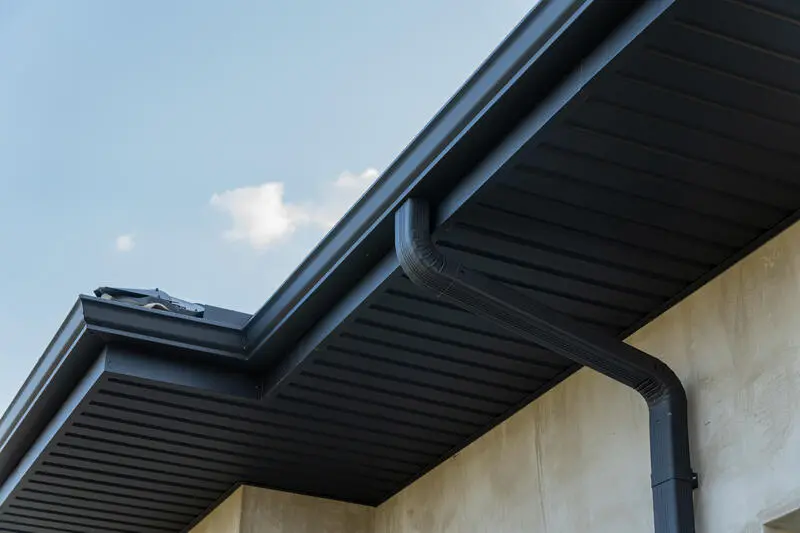
Seamless gutters are not shipped in fixed lengths. A contractor brings a roll of flat aluminum coil to the property, feeds it through a roll-forming machine, and shapes the gutter on site to the exact length needed for each side of the house. That is how a 40-foot run can be made as one piece with no joints along its length. The only seams left are at the corners, the downspout outlets, and the end caps, where the gutter has to change direction or terminate.
Aluminum is the most common material because it is light, formable, and resistant to rust. According to HomeAdvisor, seamless aluminum gutters average about $4 to $9 per linear foot and can last at least 20 years with proper maintenance. Other cost guides put fully installed aluminum systems higher, since labor, gauge, and the number of downspouts all change the final number, so it pays to get an itemized written quote.
6 Reasons to Switch to Seamless Aluminum Gutters
The reasons below all follow from the same design difference. Fewer joints mean fewer failure points, and a system with fewer failure points protects the rest of the house more reliably and costs less to keep up.
1. Far Fewer Places for Leaks to Start
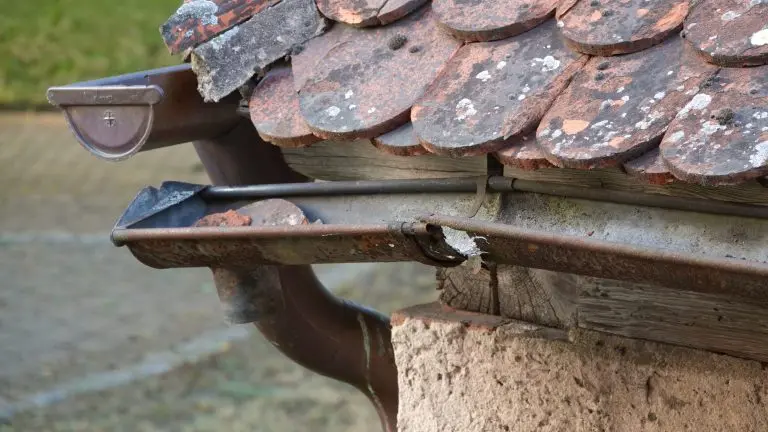
Every seam in a sectional gutter depends on sealant, and sealant does not last. Sectional gutter seams typically need to be resealed every few years, and when a seam opens, water runs down the fascia and siding instead of into the downspout. Seamless gutters keep seams only at corners and outlets, which removes the majority of the potential leak points on a typical house.
- Fewer joints: Long straight runs have no seams, so there is nothing along the run to separate.
- Less resealing: With fewer seams to maintain, the recurring sealant touch-ups largely disappear.
2. Corrosion Resistance and a Long Service Life
Aluminum does not rust. Steel gutters can corrode through at the seams and fasteners, but aluminum forms a thin protective oxide layer and holds up in wet conditions. Aluminum seamless gutters commonly last 20 to 30 years, which compares well with sectional systems that tend to fail at the joints well before the metal itself wears out.
- No red rust: Aluminum stays structurally sound where steel would corrode.
- Finish durability: A baked-on factory finish resists fading and chalking in California’s strong summer sun.
3. Less Clogging and Easier Cleaning
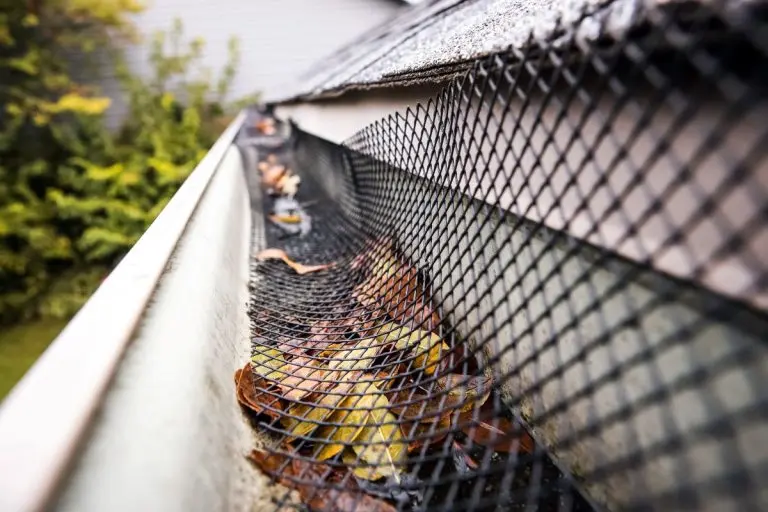
Joints and overlapping seams snag leaves, seeds, and shingle grit. Over time, that debris builds into a clog and holds moisture against the metal. The smooth interior of a seamless gutter gives debris far fewer places to catch, so water and leaves move toward the downspout instead of collecting along the run.
Seamless gutters still need regular cleaning, especially on lots with mature trees, but the work is lighter and the clogs form more slowly. Pairing them with quality gutter guards reduces the job further.
- Smoother flow: No internal seams for debris to catch on.
- Lighter maintenance: Cleaning is faster and clogs build up more slowly.
4. A Custom Fit to Your Roofline
Because the gutter is formed on site, it is cut to the exact length of each roof edge instead of assembled from stock pieces. That produces cleaner corners, fewer end joints, and a system that follows the lines of the home. Contractors can also choose the gutter size to match the roof. Six-inch systems cost more per foot than five-inch systems but move substantially more water, which makes them a better fit for larger roofs and steep pitches.
- Exact lengths: Each run is formed to fit the specific roof edge.
- Capacity matched to the roof: The right width keeps water in the channel during heavy rain.
5. Better Protection for the Fascia, Siding, and Foundation
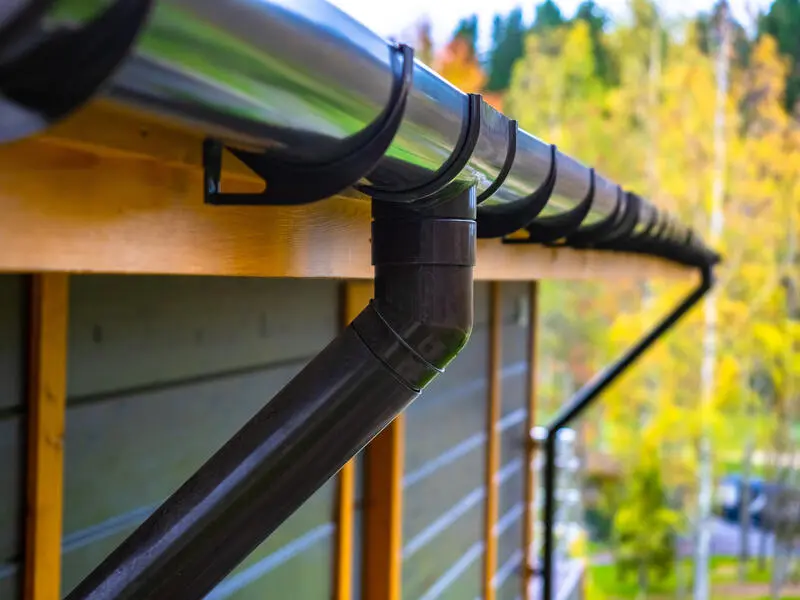
A gutter’s job is to move water away from the structure. When seams leak, water runs behind the gutter and down the fascia, soaking wood that was never meant to stay wet, and any water that escapes the system ends up pooling near the foundation. A seamless gutter that holds together and drains properly keeps that water where it belongs.
In Fairfield, where the rainy season delivers most of the year’s moisture in a few months, a failing gutter can do a lot of damage in a short time. Keeping the system tight protects the structure year after year.
- Fascia protection: Water stays off the fascia and soffit.
- Foundation drainage: Downspouts deliver water away from the house rather than along its base.
6. A Cleaner Look and More Color Options
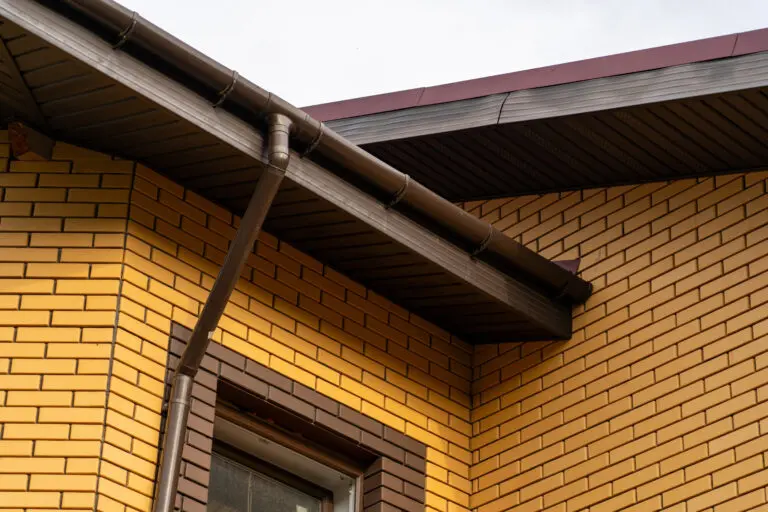
Seamless gutters have a smooth, continuous profile without the visible joints and sealant lines of a sectional system. Aluminum accepts a baked-on finish in a wide range of colors, so the gutter can match the trim, the siding, or the fascia, and the finished system looks like part of the house instead of an add-on.
- Finished appearance: Fewer visible joints and cleaner corners.
- Color matching: Factory finishes that coordinate with the home’s trim and exterior.
Seamless vs. Sectional Gutters
Sectional gutters cost less up front and can be installed without specialized equipment, which is why they are common in big-box stores and do-it-yourself projects. Seamless gutters typically cost more at installation and require a professional crew with a roll-forming machine. The trade-off is that the upfront savings on sectional systems are often offset by repairs, resealing, and earlier replacement.
For most homeowners planning to stay in the home for a decade or more, seamless aluminum is the more economical choice over the life of the system. Homeowners selling within a few years, or those on a tight budget, may reasonably choose a sectional system if it is installed carefully and maintained.
What to Confirm Before You Sign a Gutter Contract
Two seamless gutter quotes can look nearly identical on the bottom line and still describe very different installations. Gauge, hanger spacing, downspout count, and fascia repair are the details that separate a system built to last from one that sags in a few seasons. The written estimate should spell these out so you can compare real scope instead of just price.
- Aluminum gauge: Ask whether the coil is .027 or .032 inch. Thicker aluminum resists denting and holds its shape better under the weight of water and debris.
- Gutter size: Confirm whether the quote is for 5-inch or 6-inch gutters, and why. A 6-inch system costs more per foot but handles larger roof areas and heavy rain better.
- Hanger spacing: Hidden hangers placed every two feet or so hold the run firmly. Wider spacing lets gutters sag between supports.
- Downspout count and placement: Each downspout adds capacity. Too few outlets for the roof area is a common reason for overflow.
- Slope: Gutters need a slight pitch toward the downspouts. Level or reverse-pitched runs hold standing water.
- Fascia condition: Rotted fascia should be replaced before new gutters go up, and the repair should be itemized in the estimate.
- Old gutter removal: Confirm that tear-off and disposal of the existing system are included and not billed separately later.
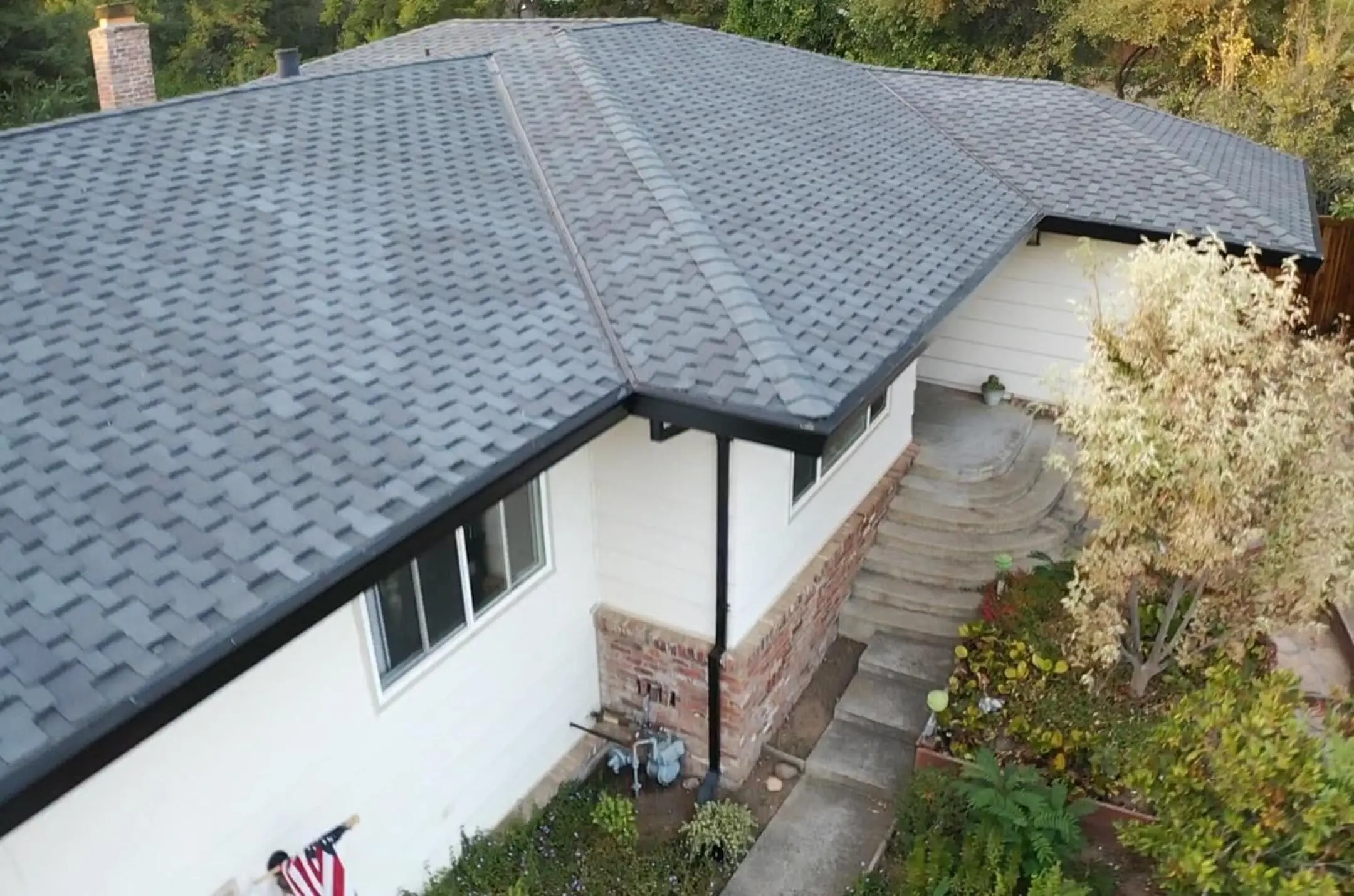
It also helps to coordinate gutters with the roof above them. If the roof is due for replacement soon, installing new gutters first means working around fresh shingles later, and a gutter system that is mismatched to the roofing can undercut the drip edge and flashing details. Spartan handles both under one project when homeowners need it, so the edge details line up and the work happens once.
Frequently Asked Questions About Seamless Aluminum Gutters
These are the questions Fairfield homeowners most often ask when comparing gutter systems.
Are seamless gutters really seamless?
Not completely. The long runs along the roofline are a single piece, but seams still exist at corners, downspout outlets, and end caps. Those few joints are far fewer than the dozens found in a sectional system, and a good installer seals them properly.
How much do seamless aluminum gutters cost?
Cost guides vary by source and region. HomeAdvisor reports an average of about $4 to $9 per linear foot for seamless aluminum, while other guides list installed prices in the range of $14 to $20 per linear foot. The final cost depends on gutter width, gauge, the number of corners and downspouts, and the height of the home.
Can seamless gutters be installed over damaged fascia?
Damaged fascia should be repaired or replaced first. New hangers need solid wood to hold them, and mounting a new gutter on rotted fascia shortens its life. A good contractor inspects the fascia during the estimate and includes any needed repairs in the written scope.
Get Seamless Gutters Installed Right in Fairfield
A gutter system only works if the water it collects actually reaches the downspout, and that depends on slope, sizing, and sealed corners as much as the material itself. Spartan Home Services installs seamless aluminum gutters across the Sacramento and Fairfield service areas, coordinated with the roofing system above them. Request a gutter estimate, and we will measure your roofline and give you a straight answer on what it needs.